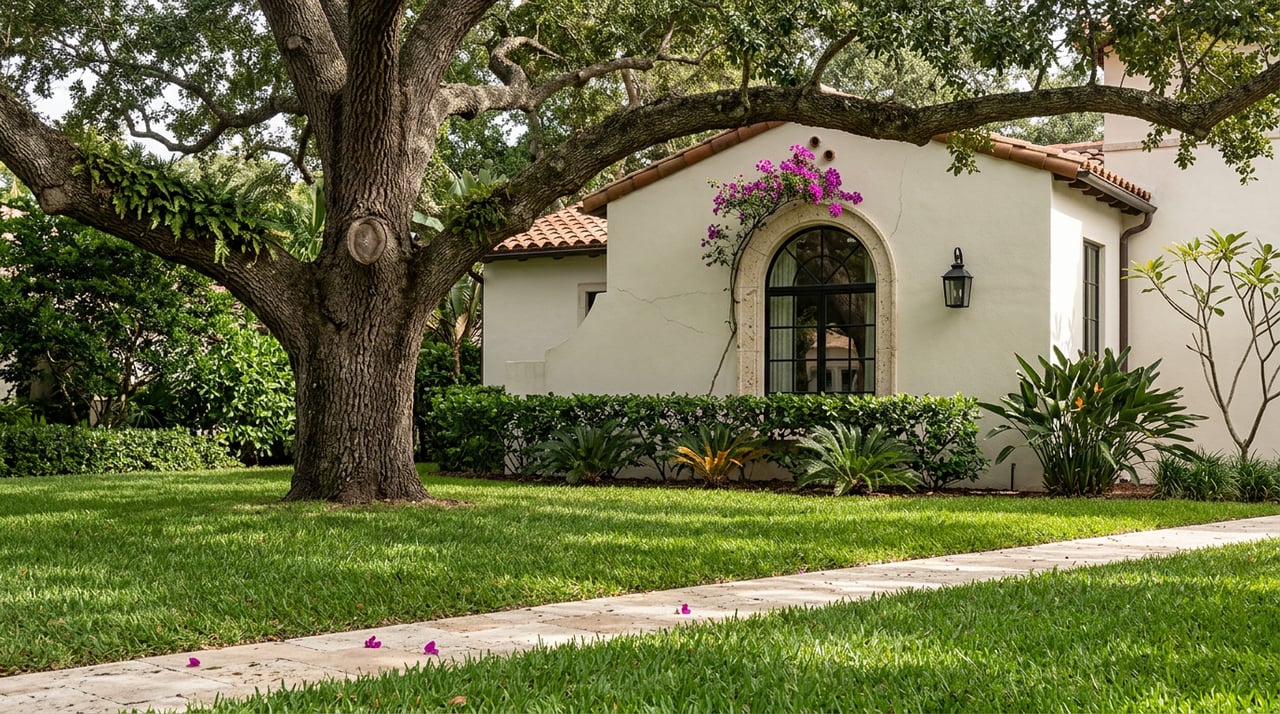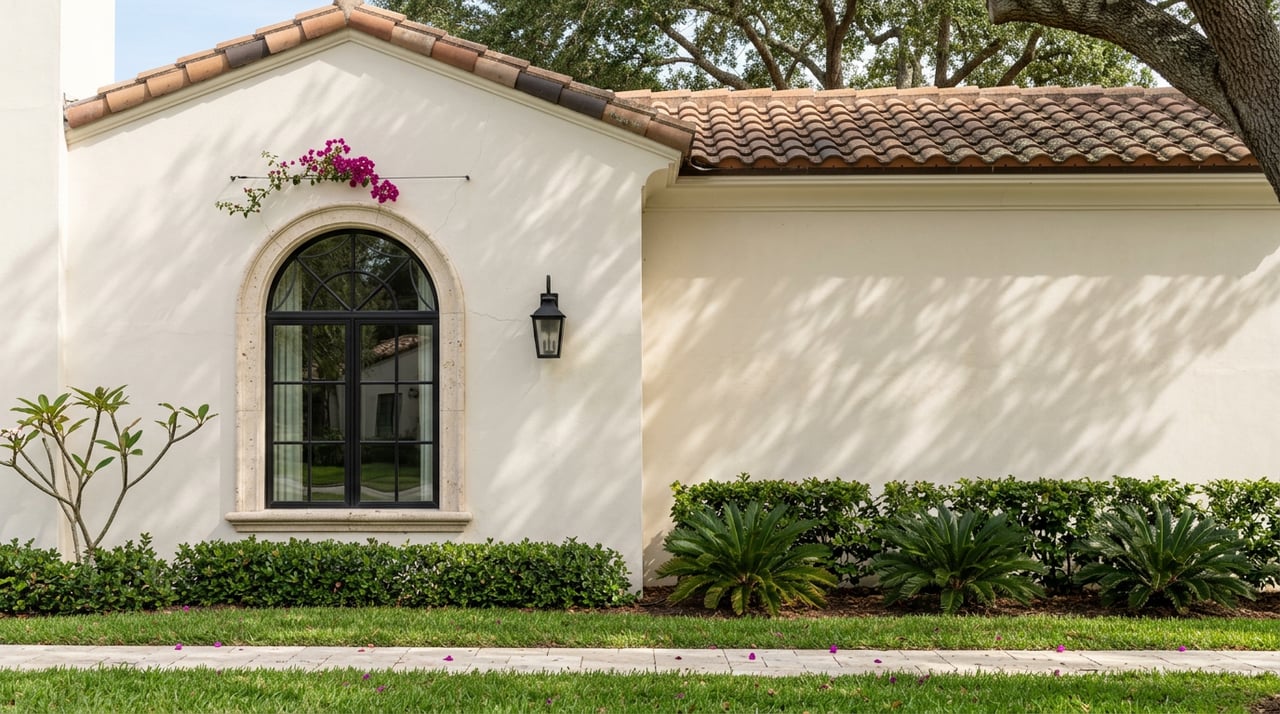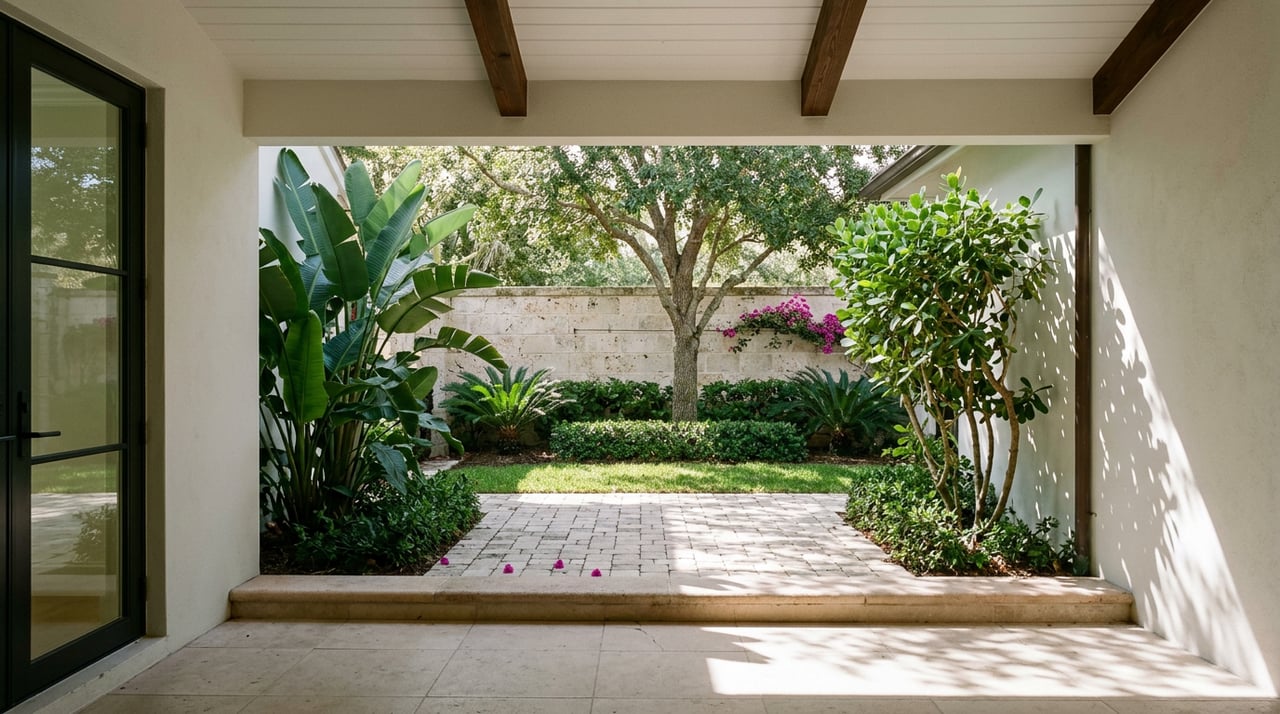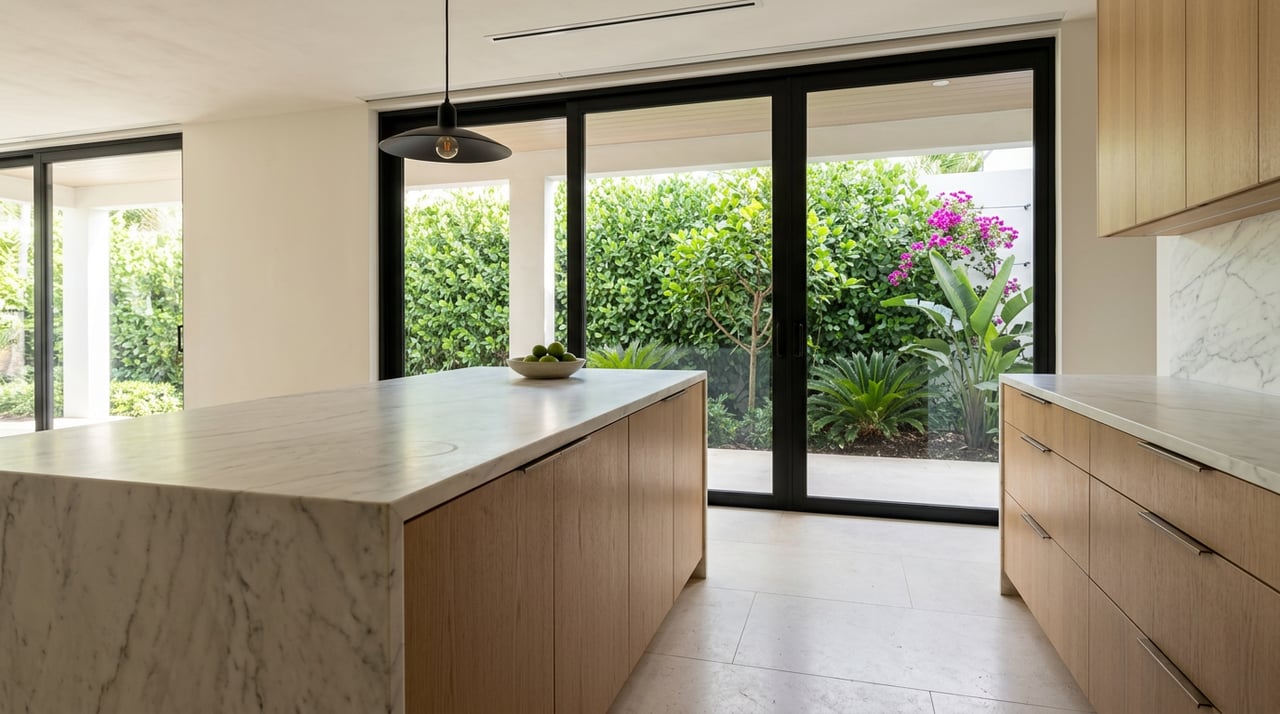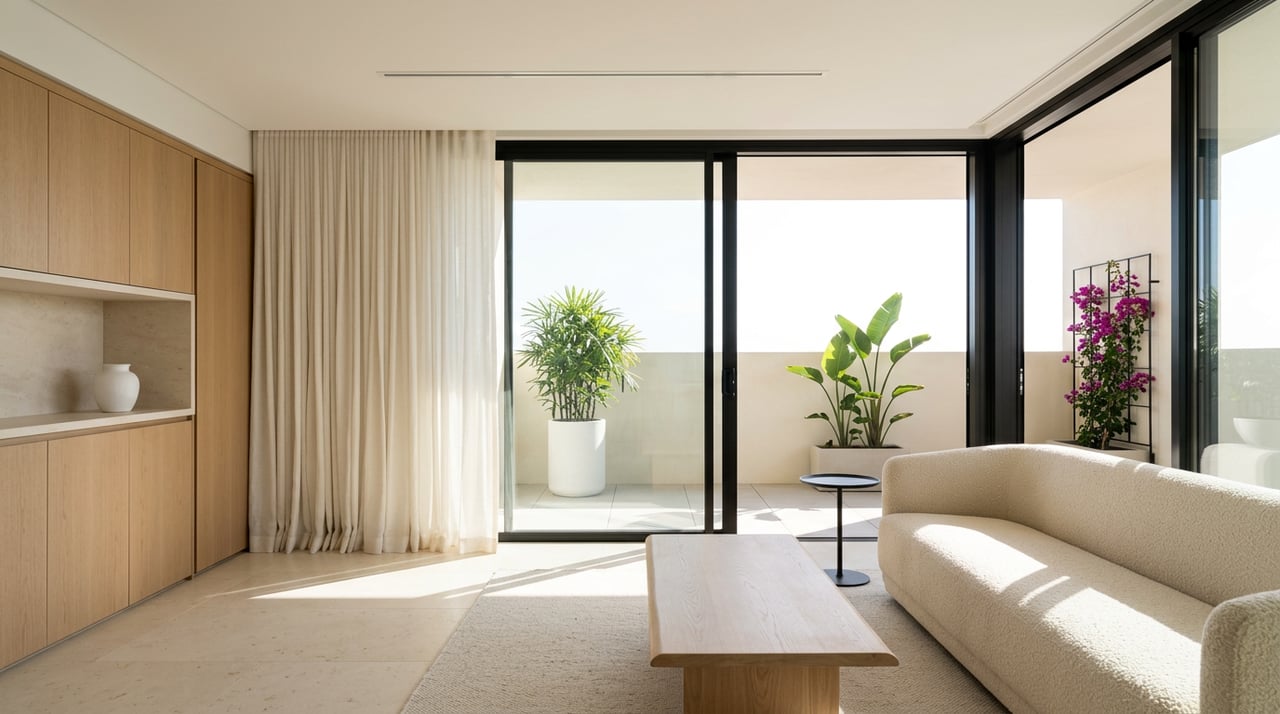
Thinking about a second home in Coconut Grove but not sure how it stacks up to other Miami neighborhoods? You are not alone. The Grove blends walkable village life, bay access, and respected private schools with a tight housing supply and premium pricing. In this guide, you will learn what you really need to know: prices, rental potential, short‑term rental rules, climate and insurance planning, and which property types fit a part‑time lifestyle. Let’s dive in.
Why Coconut Grove stands out
Coconut Grove offers a true village feel with dining, marinas, parks, and cultural spots close together. You can enjoy waterfront access and a calm, leafy setting while still being minutes from greater Miami. Many second‑home owners choose the Grove for its lifestyle ease and proximity to top private schools. Inventory is limited, so quality homes often draw serious interest.
Prices and competition
Local reports show typical medians for Coconut Grove homes in the roughly 1.6 to 2.5 million dollar range, depending on property type and timeframe. Micro‑areas like North and South Grove, Bay Heights, Four‑Way Lodge, and bayfront streets can command notable premiums. Smaller renovated cottages and village condos may offer a lower entry price per door, though they often trade at higher prices per square foot than many Miami neighborhoods.
You should also expect a meaningful presence of cash buyers in Miami’s luxury tiers. This can speed negotiations and reduce appraisal concerns for competing bidders. Even when parts of the broader condo market soften, luxury segments can remain competitive in Miami, as appreciation trends and buyer behavior show over long cycles. For broader context, review market trend insights on Miami’s resilience in press coverage of sustained price growth highlighting long‑term appreciation patterns.
Rental strategies that work
Long‑term leasing strength
If you plan seasonal use with longer leases when you are away, the Grove’s single‑family rental market is a standout. A MIAMI Association of REALTORS report shows the median single‑family rent in 33133 near 8,700 dollars per month during a 2024 sample period. That points to strong demand and the potential for healthy cash flow on well‑located homes when priced correctly. You can review the association’s summary in the Southeast Florida Residential Rental Market Report.
Short‑term rentals in context
Short‑term rentals can work in the City of Miami, but you need to be selective and rule‑savvy. At the market level, Miami shows mid‑range occupancy and rising average daily rates. Recent dashboards point to occupancy in the mid‑50s to low‑60s and ADRs in the low‑ to mid‑200s. Coconut Grove has smaller STR inventory than tourist centers, yet well‑positioned homes and condos can command higher nightly rates for family or boating stays, subject to building and city permissions. For underwriting a specific property, pull current, paid STR data and compare it to similar units in the Grove on AirDNA’s Miami overview.
Property types and fit
Luxury condos near the village core
- Pros: Turnkey living, staffed buildings, convenient lock‑and‑leave, and sometimes on‑site rental programs when allowed.
- Cons: Higher monthly association fees. Many buildings restrict or prohibit short‑term rentals or set minimum stays. Always check bylaws, rental schedules, and any building‑level STR certifications.
If rental income matters, verify the allowed lease cadence, owner‑use limits, and whether the building requires a hotel operator or profit‑sharing for short stays. In the City of Miami, condo associations must certify what their documents permit when you apply for STR approval. The city’s short‑term rental procedures and its Lodging Evaluation Form outline that certification step.
Single‑family homes and estates
- Pros: Privacy, indoor‑outdoor living, higher potential revenue when leased to families, and the option for custom features. Larger lots and estate settings are a common choice for second‑home owners who value space and exclusivity.
- Cons: Higher maintenance and management needs, plus more exposure to wind and flood risks in some areas. Expect insurance and resilience costs to be material line items. Florida has seen rising home insurance costs in recent years, so obtain quotes early and plan reserves. For a sense of the statewide trend, review coverage of insurance increases in Florida.
Townhomes and duplexes
- Pros: More space than many condos with less upkeep than a large estate. Some newer townhomes deliver modern finishes and private outdoor areas.
- Cons: Verify zoning, parking, and HOA rental rules. Some associations mirror condo restrictions on short‑term leasing.
Rules you must understand
City of Miami STR requirements
The City of Miami treats short‑term rentals as a regulated lodging use. To operate legally, you must follow the city’s application workflow, including an Operational Management Plan, a lodging Certificate of Use, evidence of DBPR lodging licensure, and Certificate of Occupancy where applicable. For condo and HOA buildings, the city requires the association to certify whether short‑term rentals are allowed and to track the share of units used as lodging. The city details these steps in its short‑term rental procedures and the required Lodging Evaluation Form. The process also highlights an important 25 percent threshold for units used as lodging, so monitor building‑level usage carefully.
HOA and condo documents
Even if the city allows a use, your building or community may not. Confirm minimum lease terms, number of leases per year, any wait periods before renting, and whether reservations must run through a building program. Ask for written confirmation from the board or property manager and align your timeline and revenue plans with the association’s rules.
Climate and insurance planning
Coconut Grove’s coastal setting is part of its appeal, so factor resilience into your budget. Line items to evaluate include wind and flood insurance, impact glass, roof condition, drainage, generator setups, and elevation certificates in higher‑risk zones. Some single‑family waterfront parcels sit in stricter flood areas, so run quotes early and stress‑test holding costs. The broader state context shows rising premiums in recent years, as reported in independent coverage of Florida insurance trends.
Buying smart in the Grove
Use a simple decision path to match your goals to the right asset and ruleset:
- Define your use case. Weekend retreat, snowbird base, or mixed use with rental income during off‑months. Your plan drives everything.
- Pick a property type. Choose between turnkey condo convenience, a private single‑family home, or a townhome compromise. Confirm rental flexibility before you fall in love.
- Set your financing posture. Cash can help in competitive settings and streamline closings. If financing, prepare for tight appraisal timelines.
- Underwrite rentals by season. For long‑term leases, benchmark against the Grove’s high single‑family median rent. For short‑term rental scenarios, confirm allowed stays, then use current paid data and market‑level STR trends for Miami to build conservative baselines.
- Price insurance and resilience. Obtain wind and flood quotes, then budget for roof, impact openings, drainage, and reserves.
- Complete HOA and city due diligence. Pull condo docs, rental schedules, and the city’s lodging requirements. Use the City of Miami STR procedures as your checklist.
- Plan management. Decide on property management, cleaning, landscaping, and storm prep. A white‑glove manager pays for itself through guest or tenant satisfaction and asset care.
Is Coconut Grove a smart second‑home market?
If you value a walkable village, access to the bay, and a refined residential setting, the Grove delivers. You will pay a premium to buy in, but demand is durable and long‑term leasing potential is strong for well‑located homes. Short‑term rental upside exists for the right properties that pass both city and building tests. The key is to match your goals to the right asset and to front‑load due diligence on rules, insurance, and upkeep.
When you are ready to compare specific streets, buildings, and off‑market options, partner with a local advisor who can bring private inventory, precise comps, and a full team to your search. With a personal, white‑glove approach backed by team resources, you can move from curiosity to clarity with confidence.
Ready to explore second‑home options in Coconut Grove or nearby luxury enclaves? Schedule a conversation with Randi Connell to get a tailored plan, on‑the‑ground insights, and access to private and coming‑soon listings.
FAQs
Is Coconut Grove good for second homes with rentals?
- Yes for long‑term leases given strong single‑family demand, and possible for short‑term rentals if your property and building meet the City of Miami’s lodging rules and association limits.
What price range should I budget for the Grove?
- Expect typical medians in the 1.6 to 2.5 million dollar range depending on property type, with North and South Grove and bay‑adjacent pockets trading at premiums.
How do short‑term rental rules work in the City of Miami?
- You need a lodging Certificate of Use, an Operational Management Plan, and association certification where applicable; review the city’s STR procedures before you underwrite.
What kind of rental demand supports long‑term leases?
- A MIAMI Association of REALTORS report cited a median single‑family rent near 8,700 dollars per month in 33133 during a 2024 sample period, which signals strong leasing demand.
What short‑term rental performance should I expect?
- City‑level data shows Miami occupancy in the mid‑50s to low‑60s with ADRs in the low‑ to mid‑200s; for a specific property, use paid data and AirDNA’s Miami overview as a baseline.
How should I plan for insurance and climate risk?
- Obtain wind and flood quotes early, verify flood zone and elevation, and budget for resilience upgrades; statewide reporting shows insurance increases in Florida.