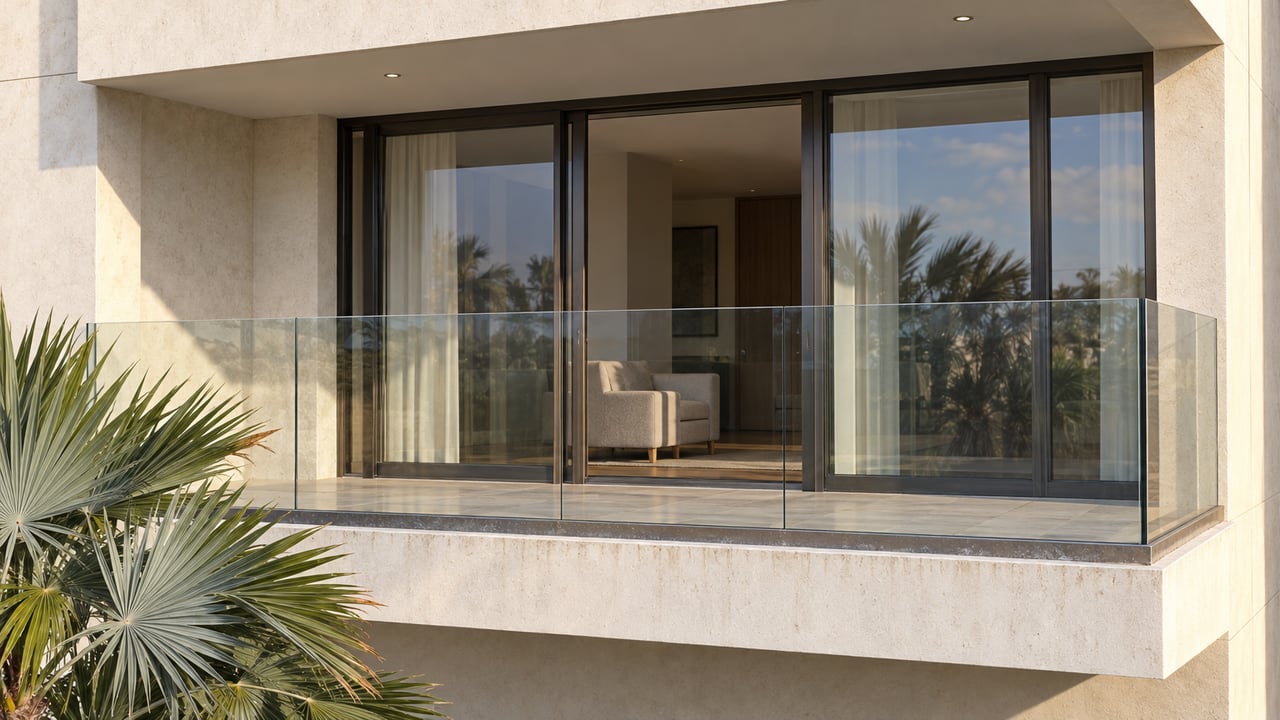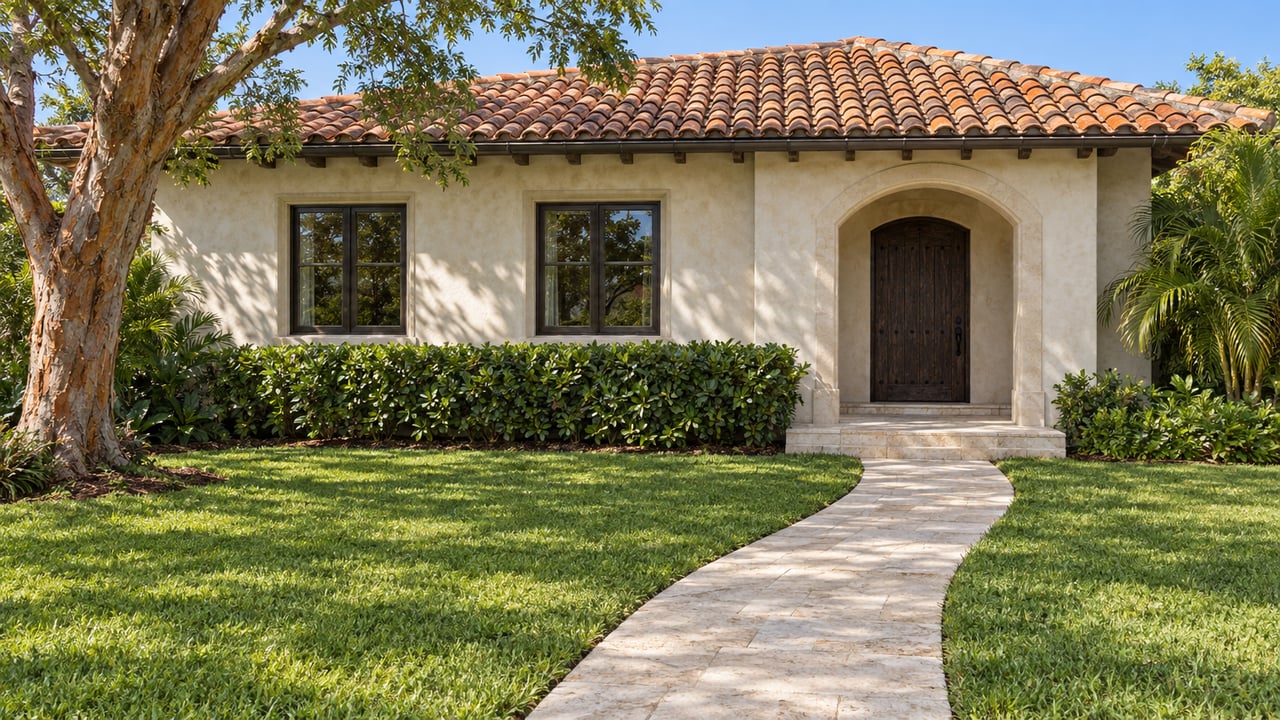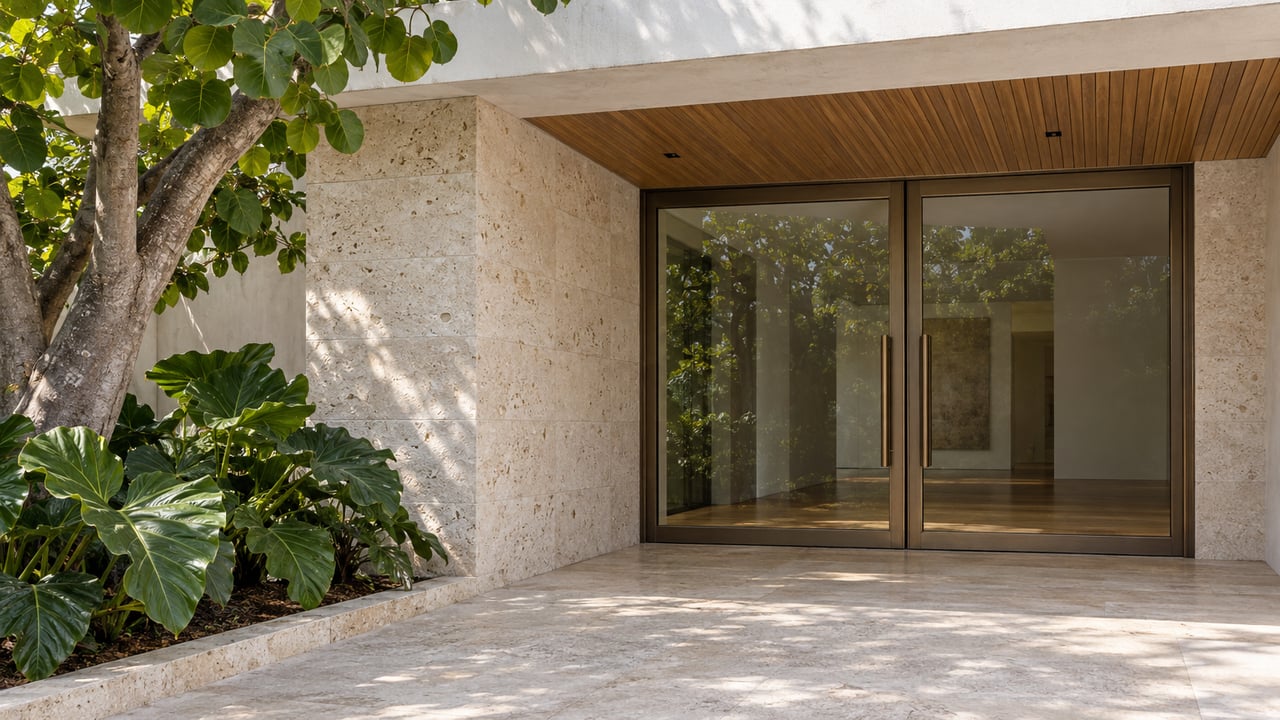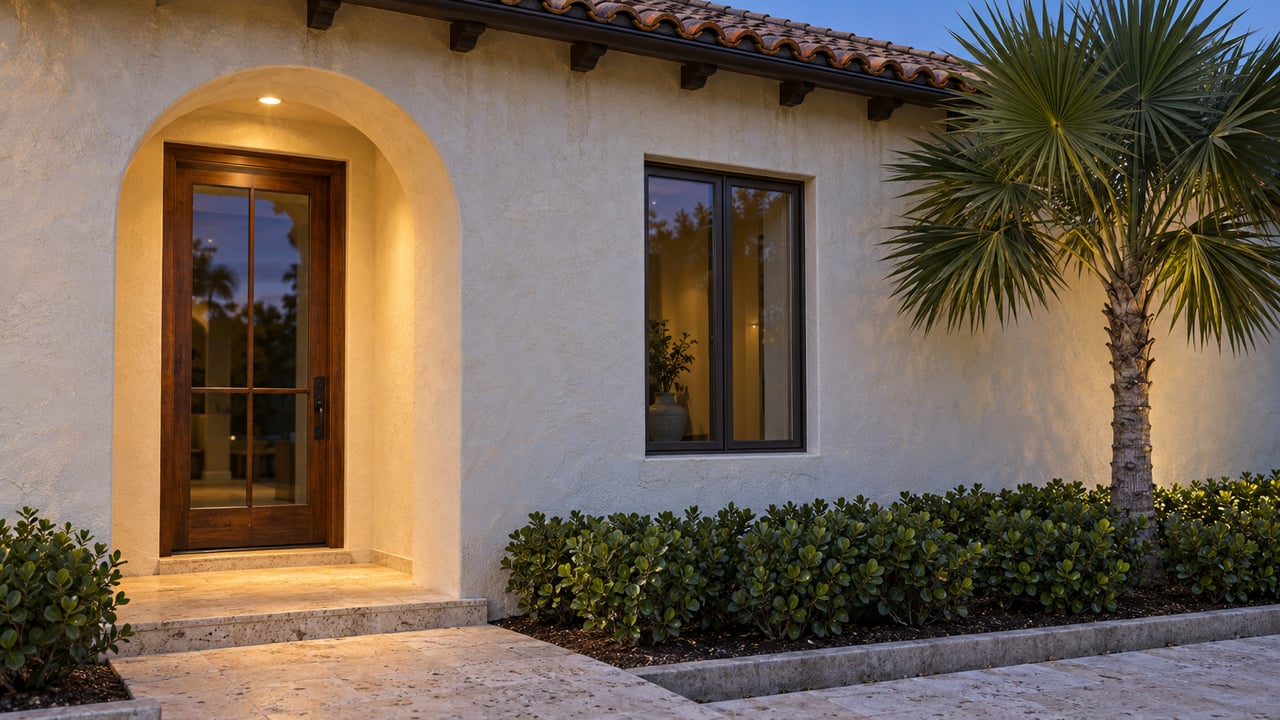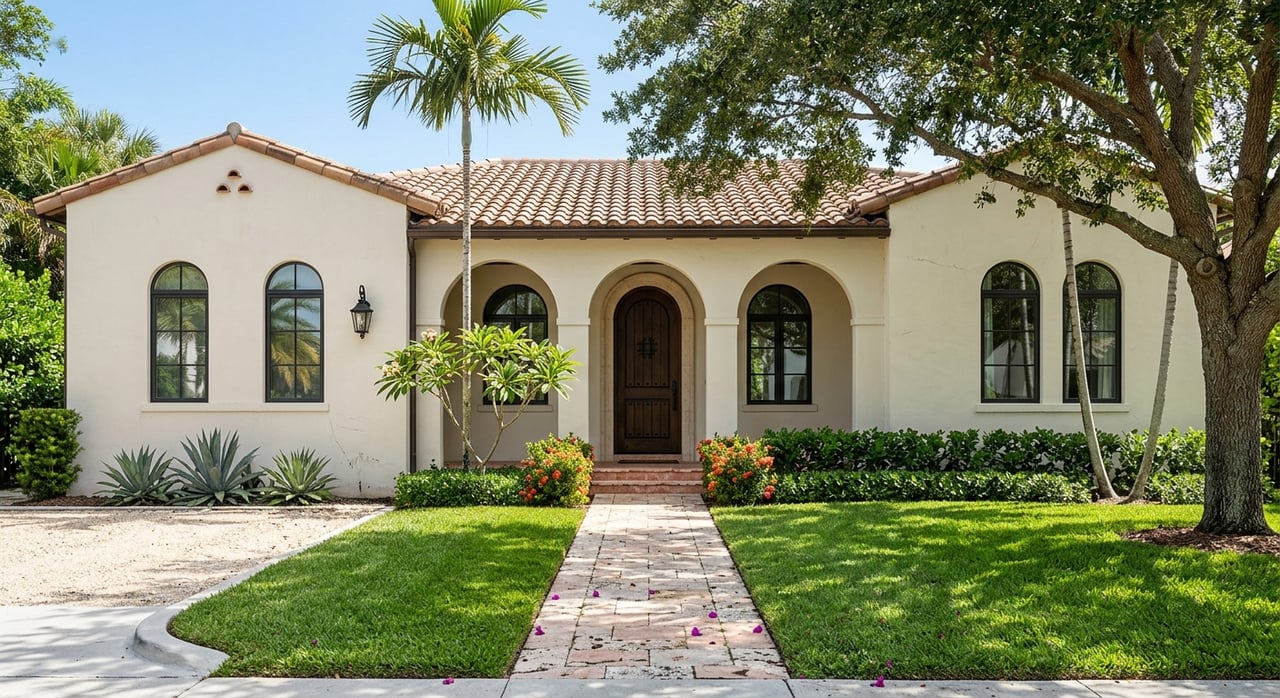
If you think choosing a Coral Gables neighborhood is just about picking north, south, east, or west, think again. In this city, architecture, planning rules, walkability, and green space can shape your day-to-day life just as much as the address itself. If you want a home that fits how you live now and how you plan to live in the years ahead, this guide will help you compare Coral Gables with more clarity and confidence. Let’s dive in.
Why Coral Gables Feels So Distinct
Coral Gables is known as the City Beautiful, and that identity shows up in its lush avenues, historic landmarks, public art, businesses, and dining. The city also says more than 1,000 properties are listed on the Coral Gables Register of Historic Places. That means neighborhood choice often comes down to character and lifestyle fit, not just geography.
This is also a city where design rules matter. Coral Gables has a Historical Resources division that oversees local historic designation and design review, and its Board of Architects exists to maintain architecture that aligns with city regulations and traditional aesthetics. For you as a buyer, that means curb appeal, renovation plans, and long-term compatibility are all worth weighing early.
Start With Housing Character
One of the best ways to narrow your search is to focus on the kind of setting you want to come home to. Coral Gables was intentionally designed with architectural variety, so one area can feel very different from the next. That difference is a big part of the appeal, but it also means your ideal neighborhood should match your taste as much as your budget.
Historic Areas With Strong Style
If you love architectural consistency and a strong sense of place, Coral Gables offers several historic villages with distinct identities. The city highlights planned themed areas such as the Dutch South African Village, Chinese Village, French Normandy Village, Florida Pioneer/Colonial Village, French Country Village, French City Village, and Italian Village. These areas show how much style can vary from block to block.
For buyers drawn to historic details, mature landscaping, and a cohesive streetscape, these neighborhoods can be especially compelling. At the same time, it is important to understand that local preservation and design review may influence what can be changed over time. That can be a benefit if you value neighborhood consistency, but it is still something to verify before you buy.
South of U.S.-1 Historic Pockets
Another distinctive part of Coral Gables lies south of U.S.-1. The city identifies MacFarlane Homestead as the only historic district in Coral Gables listed on the National Register of Historic Places, with many homes built in the late 1920s and 1930s and featuring wood-frame vernacular architecture that is uncommon elsewhere in the city.
City materials also describe MacFarlane Homestead and Golden Gate as historic south-of-U.S.-1 neighborhoods with Bahamian Vernacular, shotgun, and bungalow-style homes. If you want a neighborhood with a different architectural story from the city’s more common Mediterranean character, these areas deserve a closer look.
Mixed and Flexible Residential Areas
Not every buyer wants a highly regulated historic setting. In Coral Gables, some areas offer a more mixed residential fabric or a greater chance of finding renovated or newer housing. If flexibility matters to you, these neighborhoods may be appealing, but you should still confirm parcel-level details before assuming what can be built, expanded, or updated.
The city’s zoning code and map platform combines zoning districts, future land use classifications, and other data layers. In practical terms, that makes parcel-by-parcel review an important step for any buyer who wants to compare options carefully.
Match Your Lifestyle to the Right Area
Once you know the housing style you prefer, the next step is to think about how you want daily life to feel. In Coral Gables, convenience can mean very different things depending on whether you want a downtown setting, retail access, transit connections, or a greener residential environment.
Downtown Access and Walkability
If you want to be close to restaurants, coffee shops, errands, and an urban streetscape, downtown Coral Gables will likely stand out. The city says its Central Business District is bounded by Navarre Street, Douglas Road, Almeria Street, and LeJeune Road. It was created to preserve downtown’s urban character, promote pedestrian activity through mixed use, and support property values through quality control.
Miracle Mile and Giralda Plaza are the main walkability anchors. The city describes them as the central shopping and dining areas, and Giralda Plaza reopened as a pedestrian walkway lined with restaurants, bars, and coffee shops. If your ideal day includes strolling to dinner or handling errands without getting in the car, this part of Coral Gables may be your strongest fit.
Merrick Park Convenience
Some buyers want convenience, but not necessarily a downtown grid. In that case, the Merrick Park area offers a different kind of lifestyle. Shops at Merrick Park is a 780,000-square-foot mixed-use retail, residential, and office destination with more than 100 retailers and multiple dining options.
That creates a more retail-centered environment than the downtown core. If you like having shopping, dining, and services nearby in a polished mixed-use setting, this area may be worth prioritizing.
Parks and a Greener Feel
Coral Gables also appeals to buyers who prefer a more residential, park-like atmosphere. The city says it has more than 60 parks and open spaces, and it emphasizes preserving lush landscape even in urban areas. That can make a big difference if you value tree-lined streets, outdoor space, and a quieter daily rhythm.
Interestingly, the city notes that downtown has only about half an acre of ground-level open space. So if green space is high on your list, you may want to focus less on the downtown core and more on residential areas where landscaping and park access play a larger role in everyday life.
Consider Transit and Commute Patterns
Even in a car-oriented region, local transit can affect how convenient a neighborhood feels. The Coral Gables Trolley is free Monday through Saturday and runs on the Ponce de Leon and Grand Avenue routes. It also connects with Miami-Dade Metrorail and Metrobus service.
The city has also launched a Downtown Express route on Saturdays that links South Gables and the University of Miami to Miracle Mile and Giralda Plaza. If you want easier access to dining, errands, or commuting options, these transit links can help you compare neighborhoods more realistically.
Do Not Skip Zoning and Design Review
In many cities, buyers can get a general feel for a neighborhood and make a decision from there. In Coral Gables, that approach can miss important details. Because the city has a comprehensive zoning code and map platform, plus historic and architectural review systems, two nearby properties may have very different limitations or opportunities.
Before you commit to a block or address, it is smart to verify zoning, future land use, and any historic or design-related controls tied to the parcel. This matters whether you are dreaming of a renovation, considering an addition, or simply trying to understand what may happen around you in the future.
Flood Diligence Matters in Coral Gables
Flood risk should be part of your neighborhood decision, especially in a coastal South Florida market. The city says Coral Gables is close to sea level, surrounded by major bodies of water, and susceptible to flooding from major rain events and storm surges. That makes due diligence more than just a box to check.
The city directs buyers to review Flood Insurance Rate Maps and elevation certificates. If you are considering a water-adjacent property or simply comparing different parts of the city, checking elevation, drainage, and insurance implications can help you avoid surprises later.
A Simple Framework for Choosing Well
If you want to narrow Coral Gables efficiently, start with five practical questions:
- What architectural style do you want?
- How much lot size, privacy, and outdoor space do you need?
- Do you want to be near dining and retail, or in a quieter residential setting?
- How comfortable are you with historic review or design controls?
- How important are transit, commute patterns, flood diligence, and long-term maintenance?
These questions can help you compare neighborhoods in a way that reflects real daily life, not just marketing language. They also make it easier to rule areas in or out before you get attached to a specific home.
How Buyers Often Narrow Coral Gables
While every search is personal, a few common patterns tend to emerge. Buyers who love historic design often spend more time comparing the themed villages and south-of-U.S.-1 historic pockets. Buyers focused on walkability usually look more closely at downtown Coral Gables, Miracle Mile, and Giralda Plaza.
Buyers who want a retail-centered lifestyle may prefer the Merrick Park area. And buyers who want more yard space, a more house-oriented setting, or greater renovation flexibility usually benefit from verifying zoning, historic controls, and flood exposure before choosing a final neighborhood.
Choosing the right Coral Gables neighborhood is rarely about finding the single “best” area. It is about finding the area that best fits your style, priorities, and plans for the future. With the right guidance and a careful, block-by-block approach, you can make a decision that feels smart on paper and right in person.
If you want help comparing Coral Gables neighborhoods with a more tailored, property-level strategy, Randi Connell offers the kind of local, high-touch guidance that can make your search feel far more focused and efficient.
FAQs
What matters most when choosing a Coral Gables neighborhood?
- The biggest factors are usually housing character, walkability, proximity to dining and retail, green space, transit access, flood diligence, and any zoning or historic-design controls.
Which Coral Gables areas are best for walkability?
- Buyers who want strong walkability often focus on downtown Coral Gables, especially around Miracle Mile and Giralda Plaza, where shopping and dining are concentrated.
What makes Coral Gables neighborhoods feel different from each other?
- Much of the difference comes from architecture, historic planning, landscaped streets, and preservation rules, not just simple geography.
Are there historic neighborhoods in Coral Gables?
- Yes. Coral Gables includes several historic villages, and the MacFarlane Homestead district is identified by the city as its only historic district listed on the National Register of Historic Places.
Why should buyers check zoning in Coral Gables?
- The city’s zoning and planning tools can affect what can be built, added, or changed on a parcel, so it is important to verify details before making assumptions.
Should flood risk affect a Coral Gables home search?
- Yes. The city states that Coral Gables is susceptible to flooding from major rain events and storm surges, so reviewing flood maps, elevation, and insurance considerations is an important part of due diligence.