Wondering why Coconut Grove’s waterfront feels so different from other Miami bayfront areas? The answer is not just the view. It is the way marinas, parks, sailing culture, and the village core all work together to shape daily life. If you are thinking about buying, selling, or simply trying to understand what gives this neighborhood its lasting appeal, this guide will help you see what makes the Grove stand apart. Let’s dive in.
Why Coconut Grove’s waterfront stands out
Coconut Grove offers more than shoreline scenery. The Coconut Grove BID describes the neighborhood as one of Miami’s premier lifestyle destinations, with green space, a glittering edge along Biscayne Bay, and a village atmosphere shaped by restaurants, cafés, boutiques, parks, and sailboats. That combination creates a waterfront experience that feels active and lived-in rather than purely scenic.
There is also a strong sense of continuity here. The Grove is often described as a warm, welcoming escape from city life, and that character is reinforced by the built environment. In much of the neighborhood, local conservation overlays are intended to preserve historic residential character, tree canopy, green space, bay views, public open space, and pedestrian-oriented streets.
For you as a buyer or seller, that matters. It means the neighborhood’s appeal is supported not only by geography, but also by policies and planning that help protect the qualities people value most.
Marinas shape everyday life
One of the clearest reasons Coconut Grove’s waterfront lifestyle feels unique is how closely boating connects to daily routines. Dinner Key Marina plays a major role in that identity. According to the City of Miami, it includes 587 slips and more than 250 moorings, serving transient, seasonal, long-term, and liveaboard boaters in a park-like setting.
Just as important, Dinner Key Marina sits within walking distance of the village core. That means boating here is not tucked away in a separate district. It overlaps with coffee runs, dinners out, errands, and weekend plans in a way that feels natural.
For many buyers, that proximity is a major part of the appeal. Easy access to the bay can shape how you think about home search priorities, from dock access and boat storage to walkability and marina convenience.
Sailing is part of the culture
Coconut Grove is also shaped by a long-standing sailing tradition. Coconut Grove Sailing Club says it has encouraged sailing and seamanship since 1946 and grew out of a community effort centered on a shared love of Biscayne Bay. The club also reports 175 moorings in one of the bay’s most protected mooring fields, along with 24/7 launch service.
That history gives the waterfront a sense of authenticity. Sailing here is not a trend layered onto the neighborhood. It is part of the neighborhood’s identity.
The club says it has taught adults and children to sail since 1946, introduced more than ten thousand children to Biscayne Bay and sailing, and hosts regattas year-round. For you, that means the sailing presence is visible, social, and woven into everyday neighborhood life.
Parks make the bayfront usable
In some waterfront communities, the shoreline is mostly something you look at. In Coconut Grove, it is something you use. The bayfront includes public spaces that make walking, exercising, meeting friends, and getting on the water part of regular life.
Peacock Park is a 9.4-acre waterfront urban park on Biscayne Bay with direct access to the Intracoastal Waterway. Regatta Park offers a boat ramp, picnic tables, parking, and waterfront access. David T. Kennedy Park adds bicycle paths, a dog park, outdoor gym equipment, volleyball, and waterfront frontage.
Taken together, these parks change the rhythm of the neighborhood. You are not limited to a single marina or one scenic overlook. Instead, the shoreline becomes part of your week, whether that means a morning walk, an outdoor workout, a launch point for the bay, or a casual place to gather.
The village core adds energy
Another reason Coconut Grove feels distinct is its compact, open-air core. CocoWalk, described by the BID as an iconic outdoor mall in downtown Coconut Grove, brings together boutiques, eateries, bars, cafés, and a 13-screen cinema. That keeps the neighborhood social and active beyond the waterfront itself.
This mix creates a different experience from a more isolated waterfront enclave. In Coconut Grove, you can move between bayfront parks, marinas, and everyday destinations without losing the sense of place. The village atmosphere is part of the waterfront lifestyle, not separate from it.
The City of Miami’s Coconut Grove trolley also helps connect parks, shopping areas, and City Hall with weekday and Saturday service. That added connectivity supports a more stitched-together neighborhood feel and can make local movement easier without relying on a car for every stop.
Why the lifestyle feels rooted
Coconut Grove’s waterfront identity also has historical depth. The Barnacle Historic State Park, located on Biscayne Bay, was the 19th-century home of Ralph Middleton Munroe and is identified by Florida State Parks as the oldest house in Miami-Dade County still standing in its original location.
That history matters because it helps explain why the Grove’s waterfront culture feels established rather than manufactured. Florida State Parks notes that boats were a major form of transportation in the early days and that yachting was a popular sport. In other words, the bay has shaped local life here for generations.
For buyers, that often translates into a stronger emotional connection to the neighborhood. For sellers, it supports a story that goes beyond square footage and finishes. The location offers a lifestyle with real continuity and local identity.
What buyers often value here
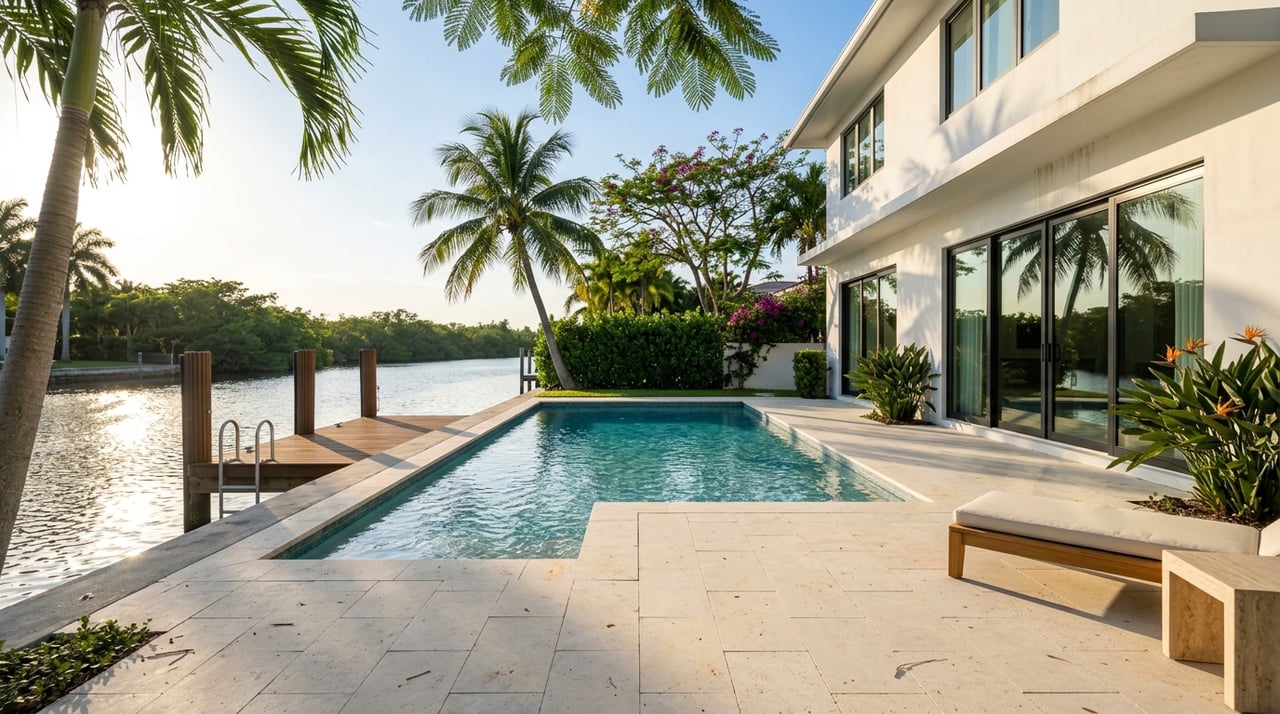
Coconut Grove’s waterfront premium appears to be driven by more than just open water views. The research suggests buyers are often drawn to a broader lifestyle fit, including terraces, patios, private yards, proximity to docks, boat storage, and easy access to marinas, parks, and the village core.
There is also an element of scarcity. The same neighborhood conservation framework that protects tree canopy, open space, bay views, and low-density residential character also limits how much change can happen at once. That helps preserve the atmosphere people are often trying to buy into.
If you are shopping in the Grove, it can help to think beyond the label of “waterfront.” Some homes may offer direct water access, while others deliver the waterfront lifestyle through walkability, marina access, park proximity, and indoor-outdoor living.
A quick way to evaluate fit
When comparing homes in Coconut Grove, it may help to look at lifestyle factors like these:
- Distance to Dinner Key Marina or mooring access
- Proximity to Peacock Park, Regatta Park, or Kennedy Park
- Outdoor features such as terraces, patios, and private yards
- Convenience to the village core for dining and daily errands
- Access to trolley routes and public waterfront spaces
- Property features that support boating or storage needs
That lens can give you a more accurate picture of long-term enjoyment than water views alone.
What sellers should understand
If you are selling a home in Coconut Grove, the waterfront story should be framed carefully and specifically. Buyers are often responding to an entire way of life, not just a single feature. Marina access, sailing culture, public parks, walkability, and the village setting can all shape how your home is perceived.
That is especially true in a market where presentation and positioning matter. A home near the bay may appeal because of how it lives day to day, from morning park access to evenings near the village core. Understanding those lifestyle drivers can help shape stronger marketing and more precise buyer targeting.
For higher-end properties, that local nuance becomes even more important. Distinctions between direct waterfront, near-water access, and village-adjacent living can influence how a property is valued and presented.
Practical ownership considerations
As appealing as bayfront living can be, it also comes with practical considerations. The City of Miami’s January 2026 seawall project in Fair Isle and South Grove Bayside is intended to help alleviate localized flooding and protect property value. That is a useful reminder that waterfront ownership can involve ongoing attention to seawalls, drainage, and storm-related upkeep.
For you as a buyer, this means lifestyle and maintenance should be evaluated together. For you as a seller, it means being prepared to speak clearly about property condition, improvements, and bayfront infrastructure where relevant.
The strongest decisions in Coconut Grove usually balance romance and realism. You can love the lifestyle while still asking smart questions about resilience, maintenance, and long-term ownership responsibilities.
Why Coconut Grove keeps its appeal
What makes Coconut Grove’s waterfront lifestyle unique is how many elements reinforce each other. You have water access, established sailing culture, public parks, open-air dining, historical depth, and a walkable village core all working together. The result is a daily experience that feels social, outdoorsy, and distinctly local.
That layered appeal is part of why the neighborhood continues to attract attention from buyers seeking more than a pretty view. It offers a sense of rhythm and place that can be hard to replicate elsewhere in Miami.
If you are considering a move, a sale, or an investment in Coconut Grove, local context matters. For tailored guidance on how a specific home fits into the Grove’s waterfront lifestyle, connect with Randi Connell. She brings the neighborhood knowledge, presentation strategy, and white-glove service that help you make confident real estate decisions.
FAQs
What makes Coconut Grove’s waterfront lifestyle different from other Miami neighborhoods?
- Coconut Grove stands out because marinas, sailing culture, public parks, dining, and the village core are closely connected, creating a waterfront lifestyle that feels active and integrated into daily life.
What marinas support the Coconut Grove waterfront lifestyle?
- Dinner Key Marina is a major part of the neighborhood’s waterfront identity, with 587 slips and more than 250 moorings, and it is within walking distance of the village core.
What parks shape daily life along Coconut Grove’s waterfront?
- Peacock Park, Regatta Park, and David T. Kennedy Park all contribute to the waterfront lifestyle by offering access to walking, recreation, boating, fitness, and outdoor gathering spaces.
Why is sailing such a big part of Coconut Grove living?
- Coconut Grove Sailing Club has been part of the neighborhood since 1946, and its long history of lessons, regattas, and mooring access has made sailing a visible and lasting part of local culture.
What should buyers consider about Coconut Grove waterfront homes?
- Buyers should look at more than views alone and consider marina access, outdoor living space, proximity to parks and the village core, and practical ownership issues such as drainage, seawalls, and storm-related upkeep.
What should sellers highlight about a Coconut Grove waterfront property?
- Sellers should emphasize the broader lifestyle story, including access to the bay, parks, sailing culture, walkability, and the everyday convenience that makes Coconut Grove feel unique.