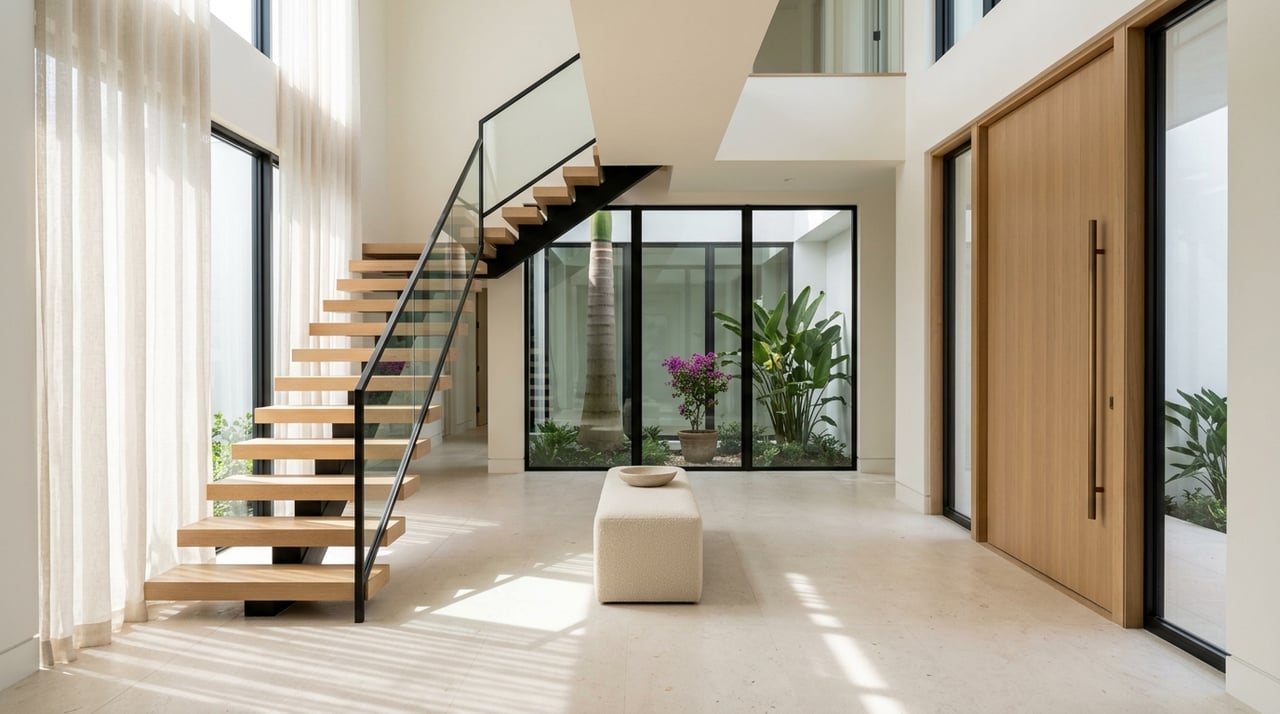
If you want your Pinecrest estate home to stand out, you cannot treat prep as an afterthought. In a market where buyers often have options and homes can take time to sell, a polished, move-in-ready presentation can make a meaningful difference. The good news is that you do not need a random list of upgrades. You need a smart, local plan that removes friction, highlights the property’s strengths, and helps your launch feel intentional from day one. Let’s dive in.
Why prep matters in Pinecrest
Pinecrest is known for its tree-lined streets, large lots, and abundant greenery, according to the Village of Pinecrest resident profile. That means buyers are not only evaluating the house itself. They are also paying close attention to the grounds, the approach, and how the home connects to the outdoor space.
Current market conditions make that even more important. Redfin’s March 2026 market data reported a median sale price of $2.17 million, median days on market of 101, and a 94.1% sale-to-list ratio, while noting that the market is not very competitive. In that kind of environment, a home that feels complete and well maintained is often easier for buyers to embrace than one that raises questions.
Focus on presentation, not over-improving
For most Pinecrest sellers, the goal is not to take on a major renovation right before listing. The better strategy is usually to fix visible issues, improve flow, and make the property feel cared for from the street to the backyard.
That means prioritizing updates that reduce buyer hesitation, such as deferred maintenance, documentation gaps, weak curb appeal, and cluttered or overly personalized interiors. In many cases, these improvements do more for your launch than expensive changes a buyer may want to customize later.
Start with the exterior
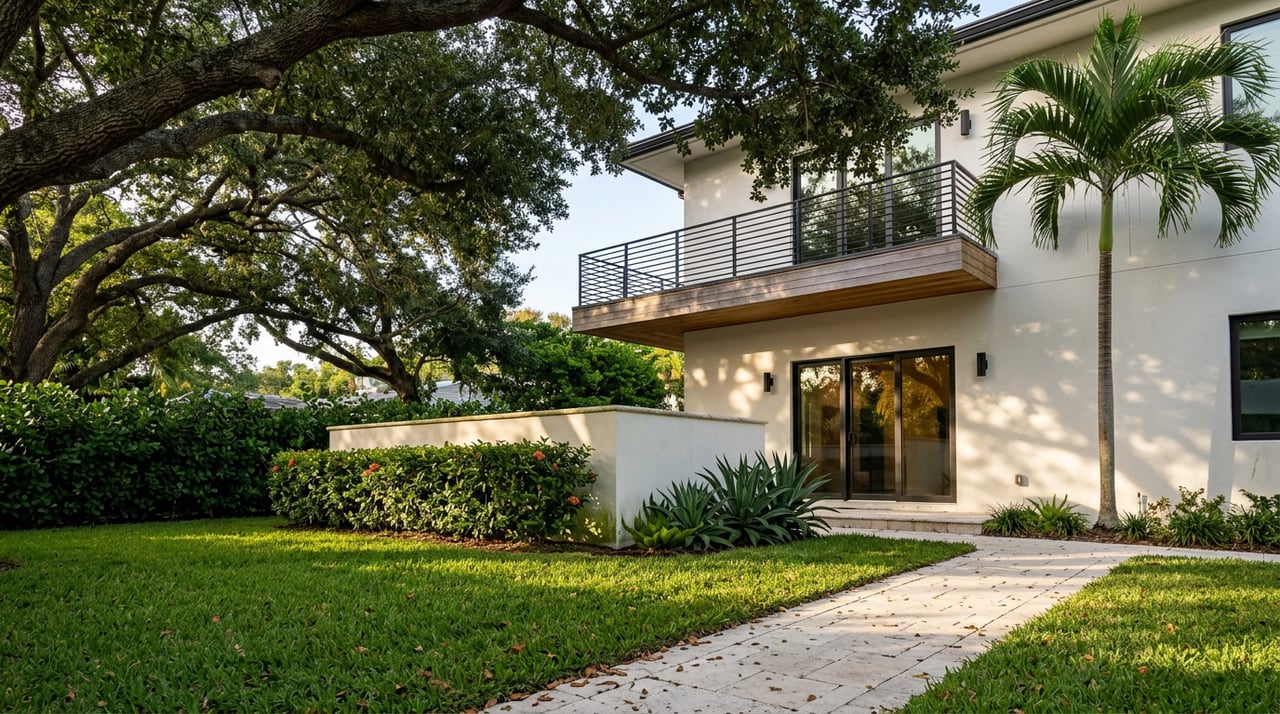
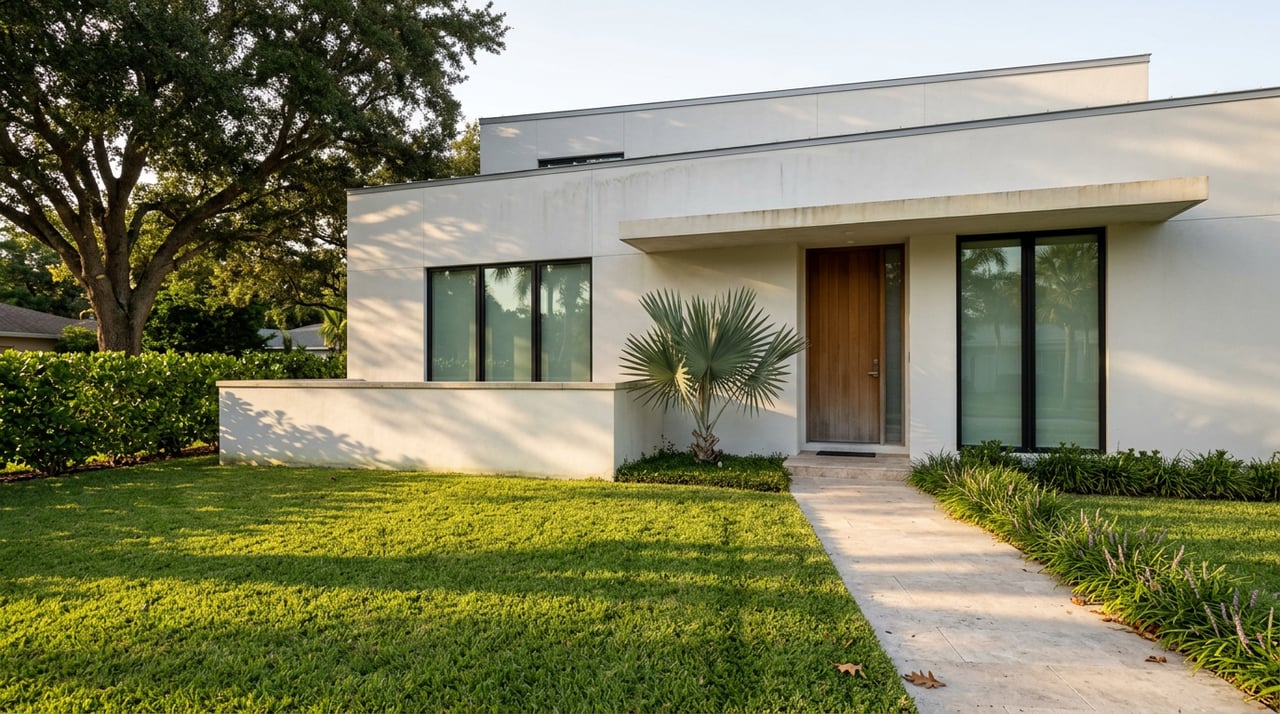
In Pinecrest, the yard is part of the listing story. Large estate lots, mature landscaping, and open outdoor areas are central to how many buyers experience the property.
Before you think about adding new features, start by refining what is already there. A clean, orderly exterior helps buyers feel that the home has been consistently maintained, and that confidence often carries inside.
Clean and shape the landscape
Pinecrest’s Florida-Friendly Yards guidance emphasizes smart planting, mulch, efficient irrigation, and landscape choices suited to South Florida’s climate. For sellers, that supports a simple pre-listing approach: trim, tidy, refresh, and correct obvious problems before considering larger changes.
Your exterior punch list may include:
- Trimming overgrown hedges and tree canopies
- Defining planting beds with fresh mulch
- Removing dead or struggling plant material
- Cleaning up storm debris and leaf buildup
- Pressure washing walkways, patios, and drive areas
- Addressing stagnant water or poorly drained spots
Pinecrest code compliance identifies overgrown conditions, stagnant pools, improper pruning, and tree issues among common violations, as outlined on the Village’s tree and code compliance page. If buyers notice these problems, they may start to wonder what else has been overlooked.
Check irrigation before photos
In South Florida, brown patches and inconsistent landscaping can quickly make an estate property feel neglected. Before photography or showings, it is worth confirming that your irrigation system is working properly and watering efficiently.
Miami-Dade County outdoor watering rules allow lawn watering only two days per week and only before 10 a.m. or after 4 p.m. on assigned days. The County also offers free irrigation evaluations and rebate programs, which Pinecrest references on its own site. If the system is underperforming, fixing coverage and timing can improve your landscape without unnecessary waste.
Be careful with tree work
Tree canopies add major visual value in Pinecrest, but changes to trees are not something to handle casually. The Village notes that tree removal or relocation permits may be required, and landscapers must be registered before seeking certain permits, according to Pinecrest’s tree program and permit guidance.
A smart sequence is to first trim and shape existing landscaping, then decide whether you need larger tree or planting changes. If permit-triggering work is involved, bring in the right professionals early so your listing timeline does not get delayed.
Refresh the interior strategically
Once the exterior is under control, turn your attention inside. For a large Pinecrest home, the goal is to make the scale feel elegant and intentional, not empty, dated, or overly busy.
You do not need to redesign every room. Instead, focus on the spaces that create the strongest first impression and help buyers picture daily life in the home.
Prioritize the rooms that sell the lifestyle
The National Association of Realtors 2025 staging report found that 49% of agents said staging reduced time on market, and 83% of buyers’ agents said staging made it easier for buyers to envision the property as their future home. The same report found that 29% of agents said staging increased dollar value offered by 1% to 10%.
For an estate property, that makes the highest-impact rooms the best place to start:
- Foyer
- Living room
- Kitchen
- Dining room
- Primary bedroom
- Primary bathroom
- Main outdoor entertaining areas
These areas usually do the most work in communicating scale, comfort, and flow.
Make simple improvements first
A targeted interior refresh often delivers more value than dramatic pre-sale remodeling. In many Pinecrest homes, the right formula is light repairs, thoughtful editing, and a strong cleaning and staging plan.
Consider focusing on:
- Paint touch-ups or fresh neutral paint where needed
- Updated lighting or brighter bulbs
- Simple hardware swaps
- Deep cleaning throughout
- Window cleaning
- Closet organization
- Furniture removal or rearrangement
- Editing art and personal items for a calmer look
When larger rooms are edited well, they read as spacious and purposeful. When they are overfilled or inconsistent, buyers can struggle to understand the layout.
Connect the home to the grounds
In Pinecrest, indoor and outdoor presentation should work together. Because the Village emphasizes open space and lush residential surroundings in its planning and community materials, buyers often respond strongly to homes that feel connected to the property beyond the walls.
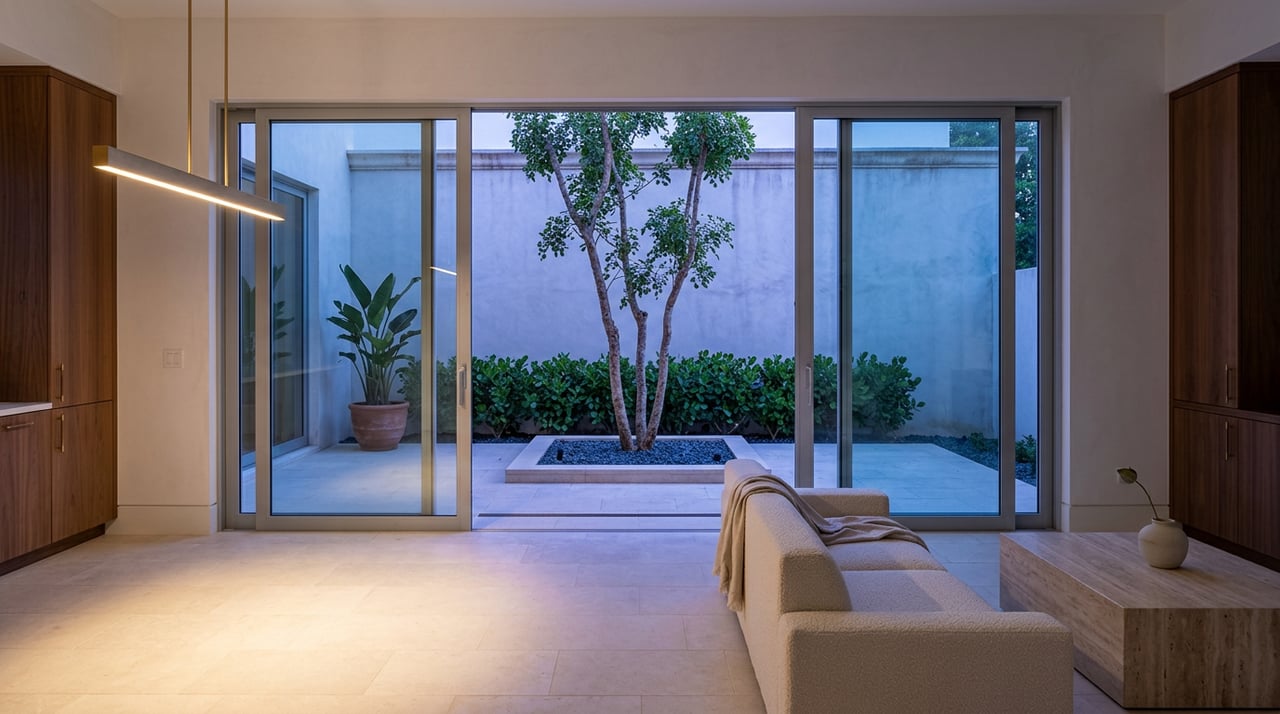
That means your staging plan should include open sightlines to the backyard, clean glass, and clearly defined patios or terraces. When a buyer can easily read the transition from kitchen or living area to outdoor space, the estate feels more complete and more usable.
Audit permits before you list
One of the most important steps in Pinecrest has nothing to do with furniture or landscaping. It is documentation.
The Village’s building permit guidance states that unpermitted work can reduce property value, complicate insurance, and make selling harder. The Village also notes that many financial institutions will not finance a purchase without proof of a final inspection.
Review common permit items
Before your home goes live, verify permits and final inspections for prior work. On estate properties, this is especially important because the list of improvements over time can be long.
Items worth checking may include:
- Pool construction or equipment changes
- Generator installation
- HVAC replacements or major mechanical work
- Additions or enclosed spaces
- Roof work
- Electrical upgrades
- Exterior structures or hardscape improvements tied to permits
This kind of pre-list review can help you avoid last-minute surprises during buyer due diligence. It also gives you more control over timing and negotiation.
Address flood and storm-readiness questions
Buyers in South Florida often ask practical questions about flood risk, drainage, and storm preparation. It is better to be ready with answers before they ask.
Pinecrest provides a flood protection page and flood-zone viewer, and the Village notes that properties in an A Zone require flood insurance for federally backed mortgages. The same resource also says elevation certificates may be available in Village records.
Prep for a smoother buyer review
If you are launching in late spring, summer, or early fall, storm-readiness can become even more relevant. NOAA states that Atlantic hurricane season runs from June 1 through November 30, and buyers may be especially focused on condition and resilience during that window.
Your pre-list checklist should include:
- Roof condition review
- Gutter and drainage check
- Window and door seal review
- Pool equipment review
- Irrigation equipment check
- Backup power documentation, if applicable
The point is not to make the property feel over-engineered. It is to remove the kinds of questions that can slow a sale or create doubt.
Follow a smart launch sequence
One of the biggest mistakes sellers make is photographing and listing too early. In Pinecrest, a stronger result often comes from waiting until the home looks complete and the paperwork is in order.
A practical launch order looks like this:
- Audit permits, records, and final inspections
- Complete exterior cleanup and landscape tune-up
- Handle visible interior repairs and touch-ups
- Order targeted pre-list inspections if needed
- Stage key spaces and outdoor living areas
- Photograph and market the property
- Go live after major defects and documentation gaps are resolved
This sequence helps reduce friction at every stage, from first impression to contract review.
Know which updates are worth it
If you are unsure where to spend money, start with the improvements buyers notice immediately and the issues that can affect financing, insurance, or confidence. In Pinecrest, that usually means maintenance, presentation, and records first.
The best pre-sale updates are often the least glamorous ones. Clean landscaping, repaired irrigation, fresh interiors, working systems, and organized documentation can do more for your sale than a rushed luxury upgrade that does not fit the buyer’s taste.
The bottom line for Pinecrest sellers
A standout sale in Pinecrest usually starts with discipline, not drama. When you prepare the property in the right order, present the grounds as part of the home, and resolve permit or condition questions before launch, you give buyers fewer reasons to hesitate.
That kind of preparation is where white-glove representation matters most. If you are planning a Pinecrest sale and want a tailored strategy for presentation, timing, and launch, connect with Randi Connell for a polished, detail-driven approach.
FAQs
What pre-sale updates matter most for a Pinecrest estate home?
- The most important updates are usually exterior cleanup, landscape tuning, visible interior repairs, deep cleaning, staging, and permit verification for prior work.
How much staging does a large Pinecrest home really need?
- A large Pinecrest home usually benefits most from staging in the foyer, living room, kitchen, dining room, primary suite, and key outdoor living areas rather than every single room.
Do tree changes or landscaping work in Pinecrest need permits?
- Some tree removal or relocation work may require permits in Pinecrest, and the Village notes that registered landscapers may be required for certain permit-related work.
Should Pinecrest sellers check permits before listing a home?
- Yes. The Village states that unpermitted work can complicate insurance, reduce value, and make selling harder, and many lenders may require proof of final inspections.
Should Pinecrest sellers review flood-zone records before going live?
- Yes. Checking flood-zone information, drainage issues, and available elevation records can help you answer buyer questions early and avoid delays later in the process.