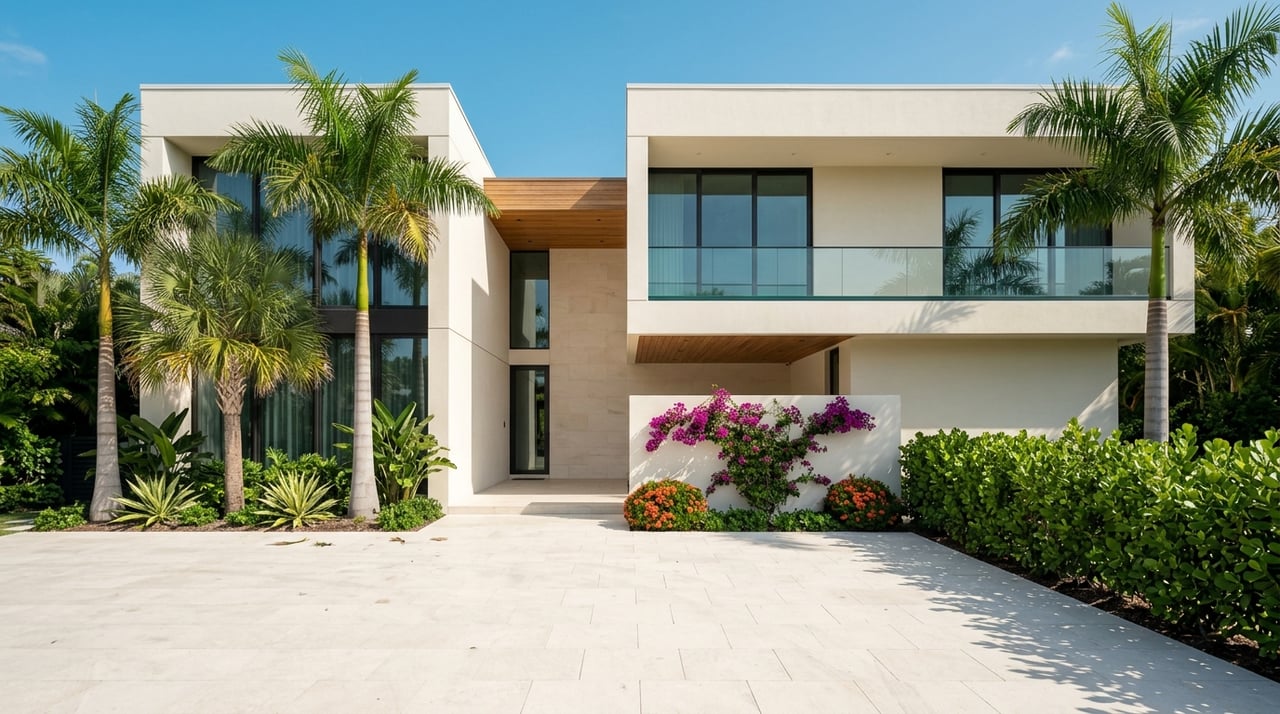
If you are drawn to Coral Gables, chances are the architecture is part of the appeal. From landmark Mediterranean estates to refined modern custom homes, this is a market where design carries real weight in how a property looks, lives, and holds value over time. If you are buying, selling, or simply trying to understand what makes a home feel distinctly Coral Gables, this guide will help you read the details that matter. Let’s dive in.
Why architecture matters in Coral Gables
Coral Gables is not a place where architecture is treated as an afterthought. The city describes itself as a City Beautiful and Garden City, and it notes that more than 1,000 properties are listed on the Coral Gables Register of Historic Places.
That design focus is also built into the review process. The city’s Board of Architects reviews new work for compatibility in color, materials, fenestration, proportion, and overall order, which means a home is considered as part of the surrounding streetscape, not just as a standalone property.
For you as a buyer or seller, that matters in practical ways. A home’s architecture affects curb appeal, renovation options, maintenance planning, and how naturally the property fits into its block.
Mediterranean Revival defines the market
If there is one architectural language most closely associated with Coral Gables luxury homes, it is Mediterranean Revival. The city’s historic landmarks make that easy to see, from City Hall to the Douglas Entrance to the Biltmore Hotel.
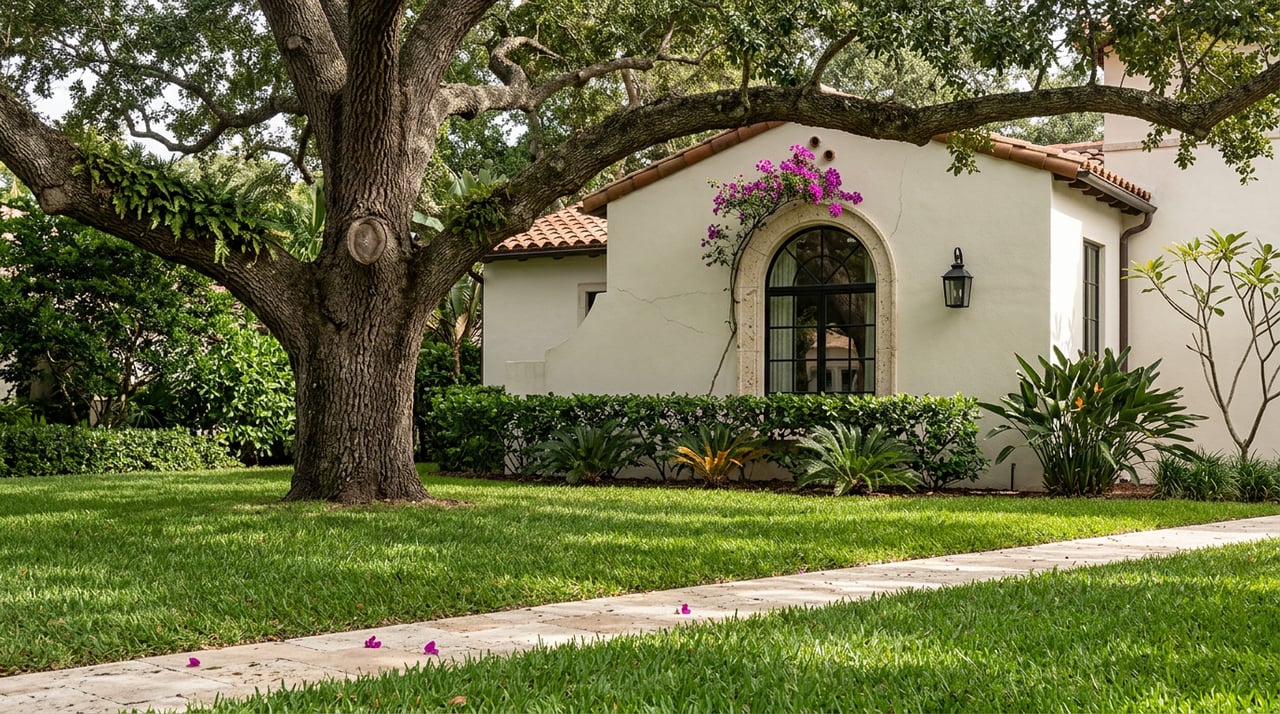
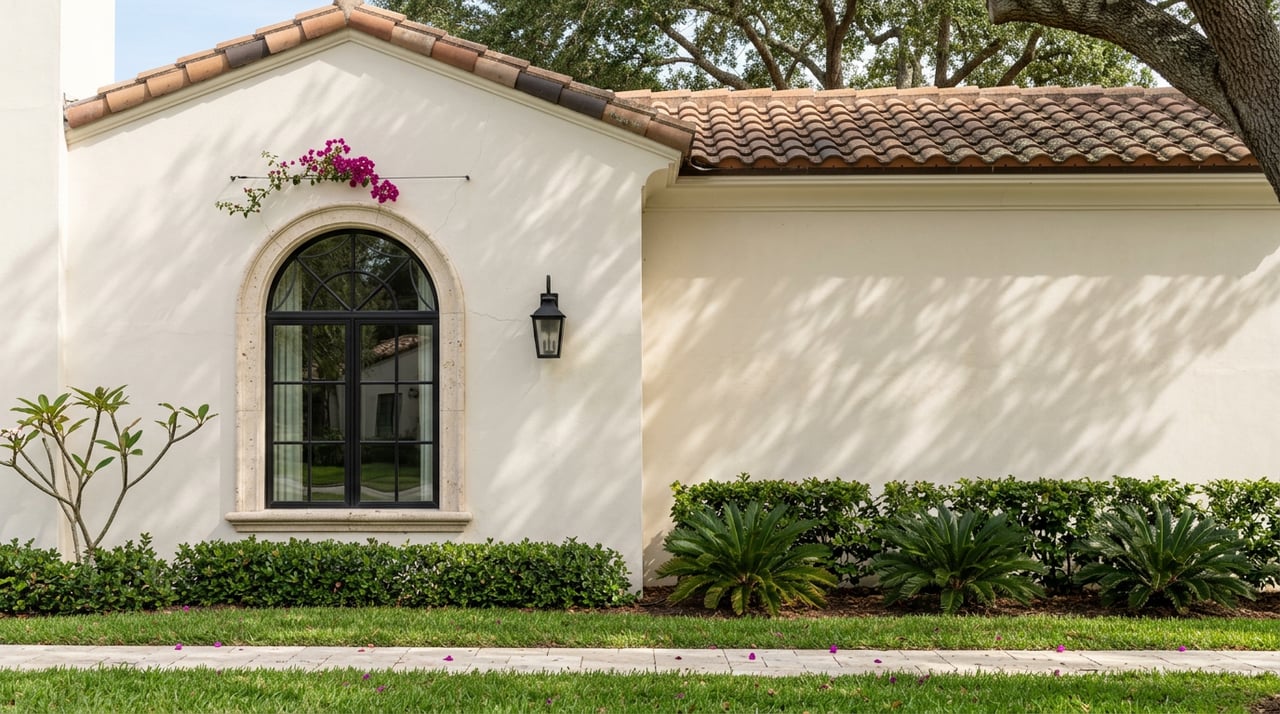
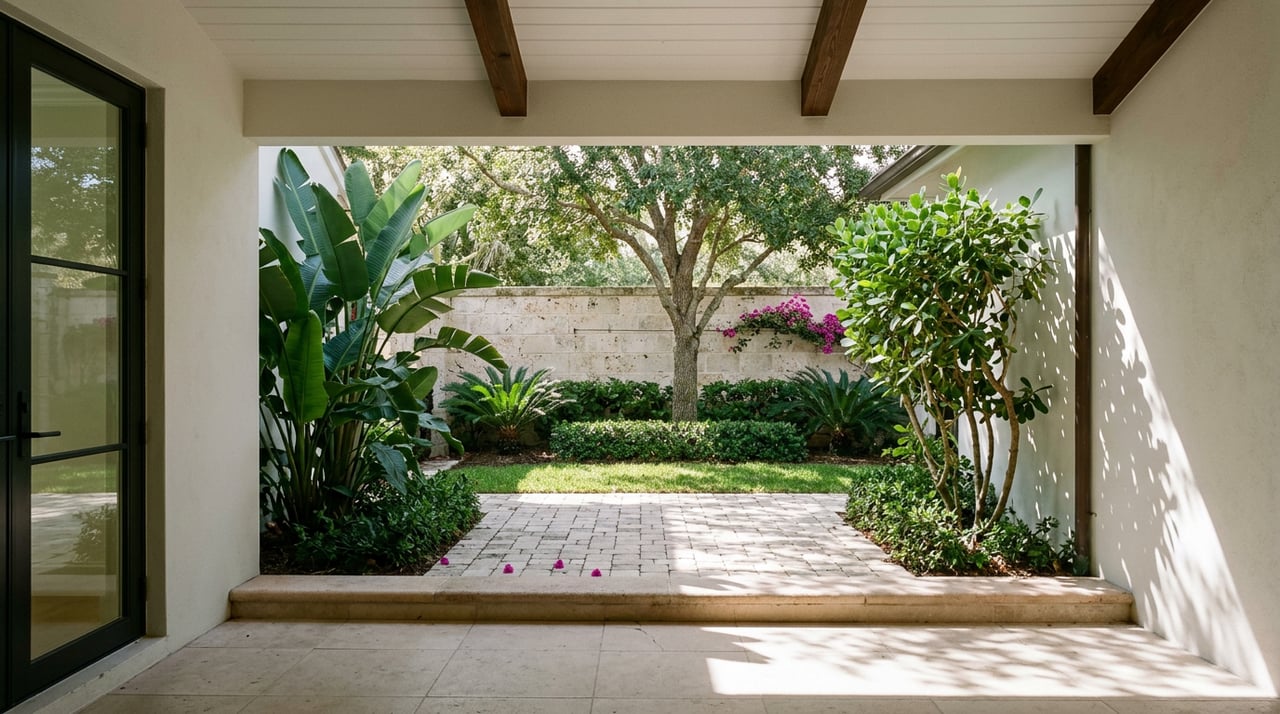
This style tends to create the classic Coral Gables look many buyers picture. You will often see arches, clay barrel tile roofs, rough stucco walls, wrought iron details, balconies, carved stonework, and sheltered courtyards. According to the Miami Design Preservation League’s style overview, patios, balconies, courtyards, and loggias often take the place of a traditional front porch.
That is part of why these homes often feel both formal and relaxed. They usually balance elegant street presence with strong indoor-outdoor living, using shade, texture, and layered exterior spaces to soften the transition from public rooms to private retreats.
What gives Mediterranean homes their appeal
Mediterranean Revival homes in Coral Gables often feel substantial without feeling harsh. The combination of warm colors, stucco, coral rock, tile roofing, and vertical window proportions creates a look that feels rooted in the city’s design history.
The city’s single-family design guidance also emphasizes compatibility, proportion, and open space. So even larger luxury homes are generally expected to read as part of the neighborhood rather than overwhelm it.
What owners should watch over time
With older or historically styled homes, maintenance is not just cosmetic. The city’s preservation guide identifies coral rock, stucco walls, barrel tile roofs, clay vents, and double-leaf wooden doors as character-defining features and advises repair over replacement when possible.
For you, that means details matter. Roof tile consistency, thoughtful stucco patching, matching woodwork, and preserving ironwork can have a meaningful impact on both appearance and long-term value.
Old Spanish and the rustic side of Coral Gables
You will often hear the term Old Spanish in Coral Gables real estate conversations. In practical terms, it is best understood as a market shorthand for the more rustic Spanish Colonial, Mission, and Moorish-influenced side of the city’s architectural vocabulary rather than a separate official category.
The city’s own design materials lean more heavily on Mediterranean architecture and Spanish and Moorish references, while the broader Mediterranean design guidance helps place these homes within the same architectural family.
Compared with more polished Mediterranean Revival homes, Old Spanish properties often feel a bit more intimate and old-world. You may notice stucco walls, arched openings, exposed beams, decorative ironwork, tile accents, arcades, loggias, and courtyards that create a sheltered, inward-looking feel.
How to recognize an Old Spanish home
A quick visual read usually starts with texture and silhouette. These homes may have shaped parapets or low-pitched clay tile roofs, rough or smooth stucco, and archways that create a softer, more handcrafted presence.
The National Park Service description of Spanish-style revival buildings also points to archways, wrought iron, tile roofs, and courtyards as key cues. In Coral Gables, those elements often combine with coral rock and mature landscaping to create a home that feels layered rather than sleek.
Why preservation details matter here
Small changes can quickly alter the look of an Old Spanish home. Simplifying a window shape, flattening a roof profile, or replacing ironwork with something generic can strip away the qualities that give the property its character.
That is why the city’s repair-first preservation approach is so relevant. If you are evaluating one of these homes, it is smart to look closely at whether updates respected the original proportions, materials, and detailing.
Modern homes can fit, too
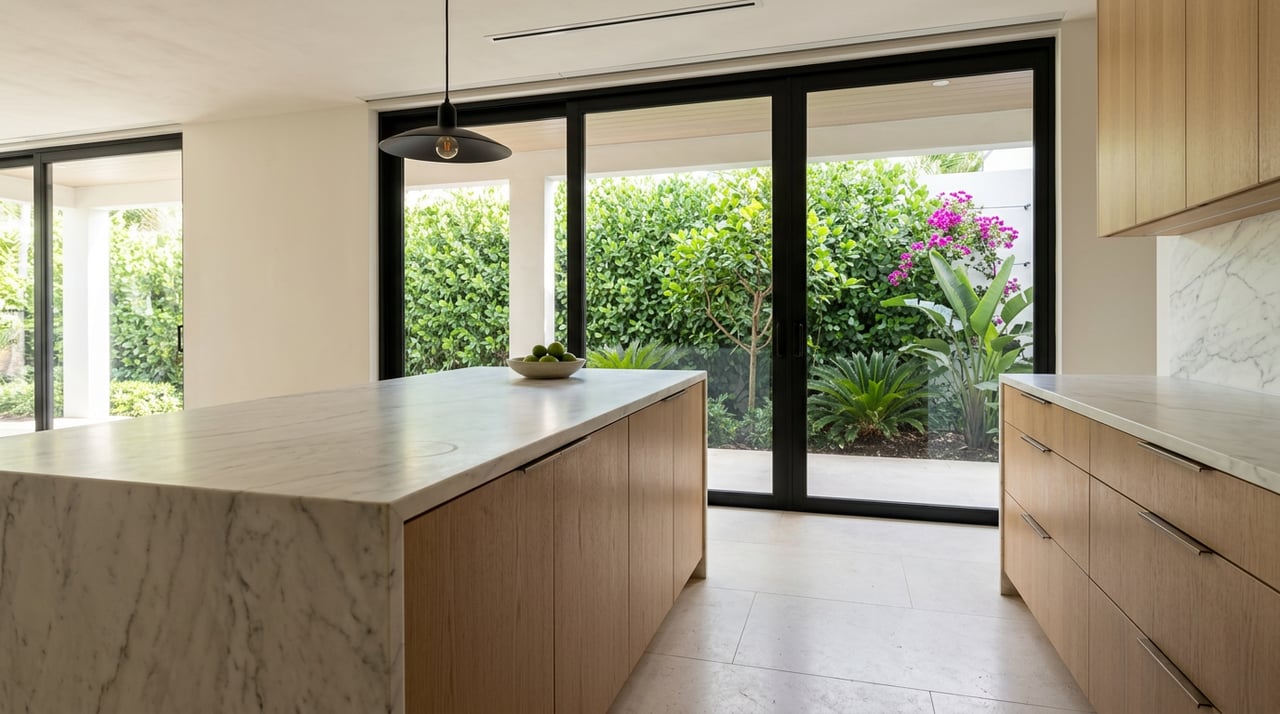
Coral Gables is known for historic architecture, but modern custom homes absolutely have a place here. The key is not whether a house is contemporary. The key is whether it feels compatible with its surroundings.
The city’s Board of Architects review process applies to new construction and substantial additions, with attention to harmony in massing, siting, materials, fenestration, and overall neighborhood character.
In other words, the best modern homes in Coral Gables usually do not read as disconnected from the block. They tend to feel restrained, tailored, and intentional rather than flashy for the sake of being different.
Rooflines tell an important story
One of the clearest examples of this design logic is roof guidance. The city’s single-family best practices say metal roofs may be permitted on some new single-family homes in certain areas southeast of US1 when the style is High Modern, Post-War Modern, Ranch, or Key West / Florida Vernacular, and when the roof fits the surrounding character.
The same guidance says metal roofs may not imitate barrel tile or cedar shakes, and historically significant Mediterranean or Mission homes cannot have metal roofs. For you, that is a useful reminder that style decisions in Coral Gables are closely tied to context.
How to read a luxury home on tour
When you tour homes in Coral Gables, it helps to look past surface finishes and focus on the architectural framework first. A few details can tell you a lot about a property’s design integrity and how thoughtfully it has been maintained or updated.
Start with the roof
Roof shape is often the fastest clue to the home’s architectural language. Barrel tile usually points toward Mediterranean or Spanish Revival traditions, while flatter forms or standing-seam metal roofs may suggest a more modern custom design, subject to local review.
Then study the walls and openings
After the roof, notice wall texture and openings. Stucco, coral rock, arches, ironwork, and vertically proportioned windows and doors often signal a more traditional Coral Gables vocabulary.
Clean lines, simpler volumes, and larger expanses of glass may point toward newer contemporary work. Even then, the strongest homes typically still feel balanced in proportion and sit comfortably on the lot.
Look for additions that make sense
A well-done addition should feel integrated, not pasted on. In a city that prioritizes compatibility, updates that preserve original rooflines, window rhythm, and massing usually feel more convincing than changes that only imitate historic style at a surface level.
Ask smart due diligence questions
If you are seriously considering a property, these are useful questions to raise:
- Is the home locally designated or located in a historic district?
- Does the exterior retain its original roof shape and window rhythm?
- Have past additions respected the original massing and proportions?
- Were repairs made with materials and details that match the home’s character?
These questions matter because Coral Gables has a formal preservation framework and a large inventory of designated historic properties, as outlined in the city’s historical landmarks resources.
What this means for buyers and sellers
For buyers, understanding architecture helps you spot both value and risk. A home with preserved character-defining details and context-sensitive updates may offer a more lasting fit with the neighborhood than a property with trendy but mismatched changes.
For sellers, architecture is part of the story you are bringing to market. In Coral Gables, strong presentation is not just about finishes and square footage. It is also about showing how a home’s design, materials, and setting support the lifestyle buyers expect in one of South Florida’s most visually distinctive luxury markets.
If you are planning a move in Coral Gables and want guidance that blends neighborhood-level knowledge with polished, high-touch service, connecting with Randi Connell is a smart next step.
FAQs
What is Mediterranean Revival architecture in Coral Gables?
- In Coral Gables, Mediterranean Revival typically includes stucco walls, clay barrel tile roofs, arches, wrought iron, balconies, courtyards, and a strong indoor-outdoor feel.
What does Old Spanish mean in Coral Gables real estate?
- In Coral Gables real estate, Old Spanish is usually a shorthand for the more rustic Spanish Colonial, Mission, and Moorish-influenced side of the city’s Mediterranean architectural tradition.
Can modern luxury homes work in Coral Gables?
- Yes. Modern homes can fit in Coral Gables, but new construction and major additions are reviewed for compatibility with neighborhood character, including massing, materials, and proportions.
What architectural details should buyers notice first?
- Buyers should start with the roofline, then look at wall texture, window and door proportions, arches, ironwork, and whether any additions feel integrated with the original design.
Why does maintenance matter so much for Coral Gables architecture?
- Maintenance matters because character-defining features like stucco, roof tile, coral rock, windows, doors, and ironwork help preserve the home’s architectural integrity and can affect long-term appeal.
Are historic homes common in Coral Gables?
- Yes. Coral Gables has a large inventory of historic properties, with more than 1,000 properties on the city’s Register of Historic Places.