If you want South Miami convenience without the full upkeep of a single-family home, condos and townhomes deserve a close look. This part of Miami-Dade offers a compact, central setting, steady housing demand, and a lifestyle that can feel both connected and manageable. In this guide, you’ll learn how to compare condos and townhomes in South Miami, what to watch for with fees and building health, and how to decide which option fits the way you want to live. Let’s dive in.
Why South Miami Draws Buyers
South Miami is a small city with about 13,207 residents across roughly 2.5 square miles, which gives it a more compact feel than many surrounding areas. The city reports a vibrant town center east of US 1, and it borders the University of Miami while also containing two major hospitals within city limits. For many buyers, that combination supports both daily convenience and long-term appeal.
The local housing market is also relatively limited, according to the city’s planning context, and demand has remained steady or increased. That matters when you are shopping for attached housing, because the right unit often stands out quickly. In South Miami, comparing buildings, associations, parking, and location can be more important than comparing price alone.
Condos vs Townhomes in South Miami
At a high level, condos and townhomes can solve similar problems. Both can offer a lower day-to-day maintenance burden than a detached house, and both can put you close to South Miami’s most walkable areas. The difference usually comes down to how much privacy, vertical living, parking control, and shared responsibility you want.
With condos, the association typically handles common elements under Florida law, unless certain limited common elements are assigned otherwise in the declaration. That can make condo living appealing if you prefer a more lock-and-leave setup. It can also mean you need to look closely at building management, reserve funding, and any upcoming repair obligations.
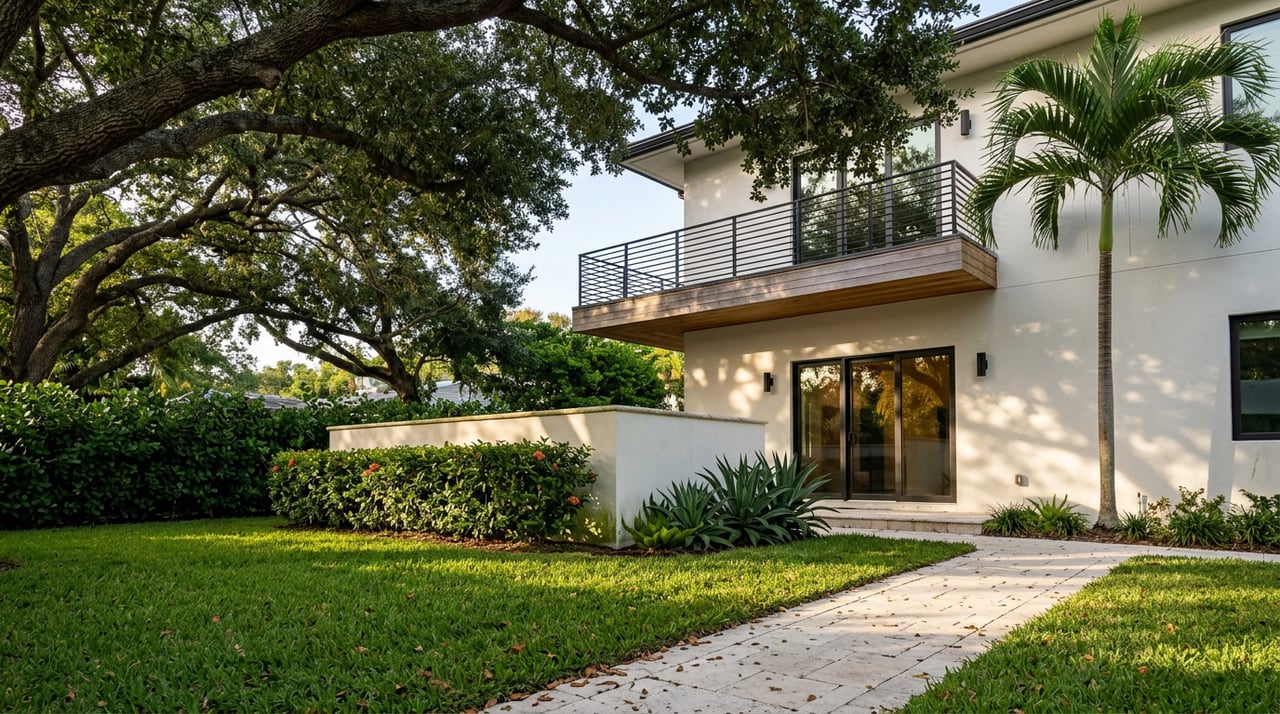
Townhomes often appeal to buyers who want a more house-like layout. You may see features like private garages, multiple levels, balconies, and a bit more separation from neighbors. At the same time, vertical circulation, guest parking, and HOA rules still matter, so it is important to evaluate the community as carefully as you would a condo building.
What Buyers Often Prioritize
In South Miami condos and townhomes, buyers often focus on practical details that affect daily life more than flashy features. The strongest choices usually match how you actually live, commute, host guests, and use your space.
Common priorities include:
- Split-bedroom floor plans
- In-unit laundry
- Usable balconies
- Dedicated parking or storage
- Impact windows and doors
- Guest parking availability
- Elevator proximity in condo buildings
- Noise exposure and corridor layout in condos
- Private garages in townhomes
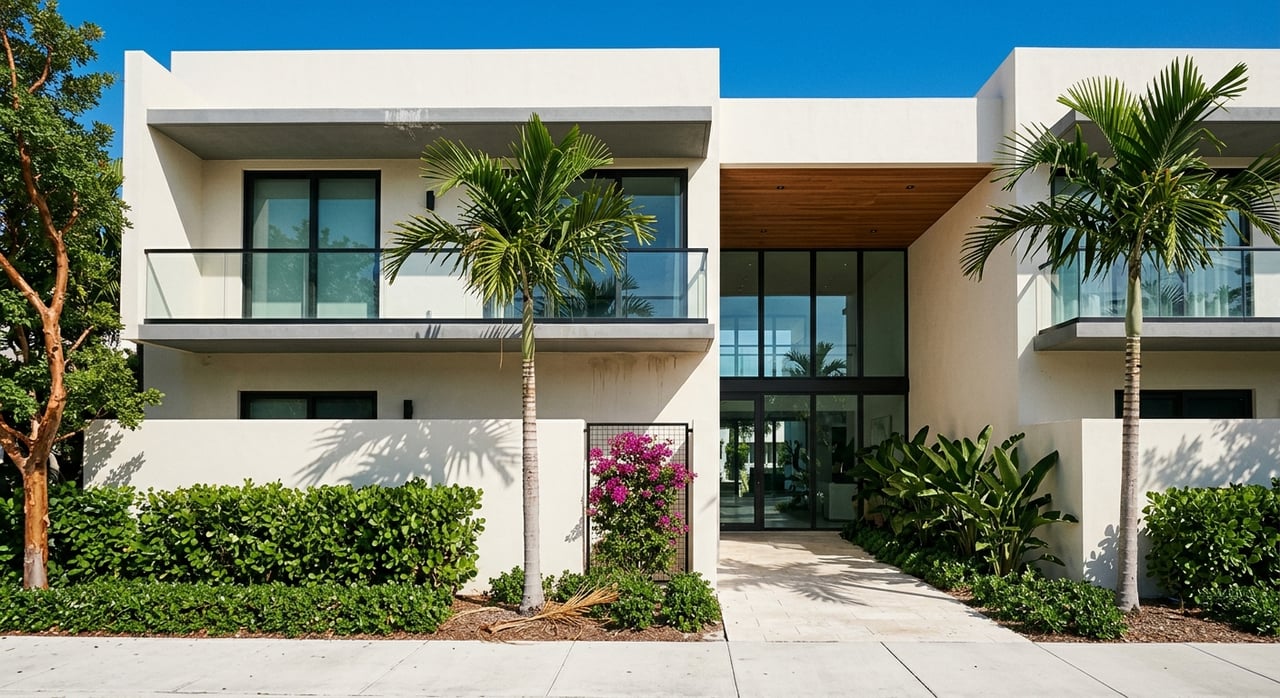
Some local examples show the range of what you might find. Certain condo communities may advertise amenities like security, a pool, fitness space, covered assigned parking, or on-site management, while some townhome communities may highlight gated entry, two-car garages, balconies, and impact-rated features. These are helpful examples, but they are not a universal standard across South Miami.
Location Matters More Than You Think
In South Miami, attached housing value is often tied closely to micro-location. Walkability is strongest around Sunset Drive and the South Miami station area, and the city describes the Hometown District as a walkable environment centered on dining, events, and public activity. If you want to step out for coffee, errands, or dinner, this part of the city may feel especially convenient.
That said, not every block functions the same way. The city’s planning analysis found that blocks between US 1 and SW 57th Avenue felt more comfortable, while blocks crossing US 1 scored lower due to narrower sidewalks, less shade, and weaker ground-floor activity. For buyers, that means two homes with similar square footage can offer very different day-to-day experiences.
Transit Access in Central South Miami
Transit can be a real advantage if you buy near the South Miami station. Miami-Dade says Metrorail connects South Miami south to Dadeland South and north to downtown Miami and Miami International Airport. The station area also puts you near local destinations such as the library, City Hall, South Miami Hospital, and retail and dining options.
Metro Express service also links the South Miami and Dadeland area with communities farther south, including Pinecrest, Palmetto Bay, Cutler Bay, Homestead, and Florida City. If you want flexibility in how you move around Miami-Dade, transit access can add meaningful value beyond the unit itself.
Parking Is a Major Buying Factor
Even in a walkable part of South Miami, parking should be one of your first questions. The city’s residential permit parking zones include examples of both condo and townhouse communities, and the city may issue only one residential permit per unit in a zone. That detail alone can affect whether a home works for your household.
City parking rules are also worth understanding before you commit. South Miami says on-street metered parking has a 4-hour maximum, overnight street parking is not allowed, and overnight parking is only allowed at the South Miami Parking Garage with an overnight permit. The city-owned SoMi Garage has about 400 spaces, and Miami-Dade also offers Metrorail parking at the South Miami garage.
Parking Questions to Ask Early
Before you move too far into negotiations, ask clear parking questions such as:
- Is the unit’s parking assigned, deeded, or controlled by association rules?
- How many spaces come with the unit?
- Is there guest parking, and how limited is it?
- Are overnight guests allowed to park on site?
- Does the surrounding area rely on city permit parking rules?
- If you own more than one car, what is the backup plan?
HOA Fees Are Only Part of the Cost
One of the biggest mistakes buyers make is focusing only on the monthly HOA number. A lower fee is not always better if the building has deferred maintenance, weak reserves, or large projects on the horizon. In South Miami, where demand has remained steady and housing supply is relatively limited, building quality and association health can have a major effect on value.
Condo and townhome ownership may reduce some maintenance responsibilities, but you still need to budget for dues, insurance, parking costs, and the possibility of special assessments. Your true monthly cost should include all of those items, not just principal and interest.
Florida Condo Rules Every Buyer Should Know
Florida’s recent condo requirements have changed the buying conversation, especially for residential condo or cooperative buildings that are three habitable stories or more. Milestone inspections are due by the end of the year a building turns 30, and then every 10 years after that. Local enforcement agencies can require the first inspection at 25 years in some conditions, including proximity to salt water.
Florida also requires structural integrity reserve studies for certain condo buildings. These studies identify inspected items, estimate remaining useful life and replacement cost or deferred maintenance expense, and provide a reserve funding schedule. After receipt, associations must distribute the study or a notice of availability to owners within 45 days, and milestone inspection summaries must also be shared within 45 days.
For buyers, the takeaway is simple: do not treat the building as a black box. You want to know whether the association is planning ahead, communicating clearly, and funding its obligations responsibly.
Due Diligence Checklist for Buyers
When you are evaluating a South Miami condo or townhome, ask for documentation and review it carefully. A polished lobby or attractive exterior does not tell you everything you need to know.
Use this checklist as a starting point:
- What exactly do monthly fees cover?
- What maintenance remains the owner’s responsibility?
- Has the building completed any required milestone inspection?
- Has the association completed any required reserve study?
- Are special assessments pending, proposed, or already approved?
- Are there upcoming projects involving the roof, elevator, facade, or garage?
- How strong are reserves relative to the property’s age and systems?
- Are there rental or pet restrictions?
- How is parking handled for owners and guests?
Florida law also requires specific contract disclosures when a required milestone inspection or reserve study has not been completed. That makes document review an essential part of the purchase process, not just a formality.
Condos and Townhomes vs Single-Family Homes
If you are deciding between attached housing and a detached home, cost is only one part of the equation. South Miami is a premium submarket, with a Census Bureau median owner-occupied home value of $829,400, compared with $463,000 for Miami-Dade County overall. At the county level, May 2025 median sale prices were $425,000 for condos and townhomes versus $675,000 for single-family homes.
Inventory also differs by property type. Miami-Dade reported 14.0 months of inventory for condos and townhomes compared with 6.6 months for single-family homes. That may give condo and townhome buyers more options in some price bands, but selection in South Miami itself can still feel tight because the local residential market is limited.
Here is the practical comparison:
| Property type | Potential advantages | Tradeoffs to plan for |
|---|---|---|
| Condo | Lower day-to-day exterior maintenance, building amenities, possible transit-friendly location | HOA dues, shared decision-making, assessments, parking limits |
| Townhome | More privacy, private garage potential, more house-like layout | Stairs, HOA rules, guest parking limits, varying maintenance obligations |
| Single-family home | More privacy, yard space, greater control over property | Higher upkeep burden, often higher maintenance costs, less lock-and-leave simplicity |
If you value location efficiency, lower day-to-day upkeep, and easier access to South Miami’s core, a condo or townhome may be the smarter fit. If you want more privacy and control and do not mind handling more maintenance, a single-family home may still be worth considering.
How to Narrow Your Search
The best way to shop South Miami condos and townhomes is to rank your priorities before you tour too many properties. Start with the lifestyle factors that will shape your daily routine, then filter by building health, not just finishes.
A clear order of priorities often helps:
- Define your ideal location within South Miami.
- Decide whether condo or townhome living fits your routine better.
- Set a realistic monthly budget that includes dues, insurance, and parking.
- Confirm parking needs for your household and guests.
- Review association documents before you get too attached.
- Compare not just unit features, but the building’s long-term condition.
This approach can save you time and reduce surprises later in the process. It also helps you focus on homes that support both your budget and your lifestyle.
If you are exploring South Miami as part of a broader move within the urban core and nearby luxury suburbs, local guidance can make a real difference. The right advisor can help you compare micro-locations, interpret association documents, and spot the details that are easy to miss on a quick showing. When you are ready to talk through South Miami condos, townhomes, or nearby opportunities, connect with Randi Connell.
FAQs
What makes South Miami condos appealing for buyers?
- South Miami condos can appeal to buyers who want a central location, easier day-to-day maintenance, possible access to amenities, and proximity to walkable areas near Sunset Drive and the South Miami Metrorail station.
What should buyers ask about South Miami townhome parking?
- Buyers should ask whether parking is assigned or deeded, how many spaces come with the unit, how guest parking works, and whether city permit parking rules affect the property.
What do South Miami condo HOA fees usually cover?
- Coverage varies by association, so you should confirm exactly what the monthly fee includes, what the owner still maintains, and whether reserves and upcoming capital projects are adequately funded.
What Florida condo documents matter when buying in South Miami?
- Key items include the association budget, reserve information, any required milestone inspection history, any required reserve study, and records of pending or approved special assessments or major repairs.
How do South Miami condos compare with single-family homes?
- Condos may offer lower day-to-day upkeep and a more location-efficient lifestyle, while single-family homes usually offer more privacy and control but often come with more maintenance responsibility.
Is transit access important for South Miami condo buyers?
- Yes, especially if you want flexibility, since Metrorail connects South Miami to Dadeland South, downtown Miami, and Miami International Airport, and Metro Express links the area to several communities farther south.