Trying to decide between a waterfront condo and an inland one in Miami Beach? That choice can shape everything from your daily view to your building costs, maintenance expectations, and long-term comfort. If you are weighing lifestyle against practicality, this is where a clear framework helps. Let’s break down what matters most so you can choose with confidence.
What waterfront means in Miami Beach
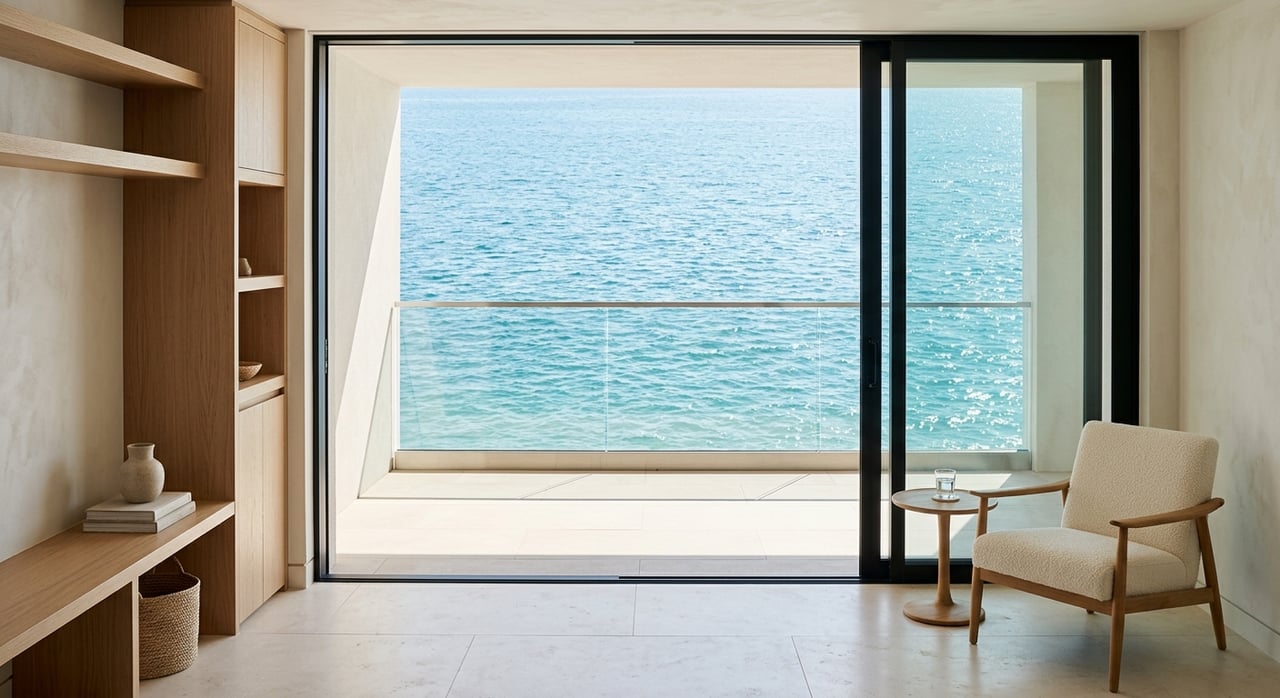
In Miami Beach, “waterfront” usually means oceanfront or bayfront. Oceanfront buildings sit along the Atlantic side, while bayfront buildings face Biscayne Bay. Both offer water views, but they create different living experiences.
Oceanfront condos often connect more directly to the beach lifestyle people picture when they think of Miami Beach. The city’s Beachwalk, a nine-mile oceanfront promenade running from South Pointe Park to 87th Street, adds to that appeal with round-the-clock public access and amenities like restrooms, water fountains, playgrounds, and nearby parking at multiple beach entrances.
Bayfront condos offer a different kind of waterfront experience. You still get the visual benefit of living by the water, but the feel can be more tied to Biscayne Bay and sunset-facing views. For many buyers, the real question is not whether waterfront is attractive, but which type of waterfront fits how you want to live.
Why buyers choose waterfront condos
For many buyers, waterfront living is about immediacy. You are not just near the beach or bay. You are part of it every day. That can be a major draw if your top priority is scenery, outdoor routines, and a strong connection to Miami Beach’s coastal setting.
Waterfront condos also tend to deliver the most iconic version of the Miami Beach lifestyle. If you want easy access to the shoreline, sunrise walks, or a building that feels fully immersed in the city’s coastal identity, this option often rises to the top.
That said, the same location benefits can come with more exposure to the elements. The closer a building sits to breaking waves and salt spray, the more important it becomes to look closely at exterior upkeep, materials, and the association’s maintenance track record.
Why inland and boutique condos appeal
If you do not need to live directly on the shoreline, inland or boutique condos can offer a compelling alternative. Miami Beach has strong transit, cultural destinations, dining, and beach access beyond the oceanfront towers, so choosing inland does not mean giving up the broader lifestyle.
The city’s trolley system connects South Beach to hundreds of destinations, including restaurants, grocery stores, pharmacies, museums, libraries, parks, marinas, and civic and cultural sites. That makes it possible to enjoy a connected Miami Beach lifestyle without being right on the sand.
Inland and boutique buildings can also appeal to buyers who value architecture and neighborhood character. Miami Beach is known for its large collection of Art Deco structures, especially in South Beach, while MiMo architecture is more concentrated in Mid and North Beach and along Collins Avenue. If you are drawn to distinctive design, a smaller or more inland building may feel more personal and more practical.
Flood risk should be an early filter
In Miami Beach, flood risk should be one of the first things you review, not one of the last. The city states that its low elevation makes it vulnerable to storms, flooding, and sea-level rise. It also says that 93% of buildings are in FEMA’s Special Flood Hazard Area.
That matters whether you are buying on the water or farther inland. In other words, inland does not automatically mean flood-free. What it does mean is that you should compare each building individually, including flood zone details, insurance considerations, and any building-specific risk factors.
Miami Beach also notes that most National Flood Insurance Program policyholders receive a 25% discount because of the city’s participation in the Community Rating System. That is helpful context, but it is still wise to understand the actual insurance profile of the specific condo you are considering.
Salt air and maintenance matter more than many buyers expect
One of the biggest practical differences between waterfront and inland condos is exposure to salt air and coastal conditions. FEMA guidance says salt spray and onshore winds can accelerate corrosion, especially in oceanfront and nearshore buildings.
For you as a buyer, that means the view should never be the only headline. You also want to understand how the building has been maintained over time, what materials are visible in common areas and exteriors, and whether upkeep appears proactive or reactive.
This is especially important if you are comparing an older waterfront building with an inland or boutique option. A lower-maintenance lifestyle may matter more for a full-time residence than it does for a seasonal condo where the experience of being close to the water carries more weight.
Florida condo inspections and reserves are key
If you are buying a condo in Miami Beach, building condition and reserves deserve close attention. Under Florida law, many condo and cooperative buildings that are three habitable stories or more must complete milestone inspections at 30 years. Local enforcement agencies can require inspections at 25 years when conditions such as proximity to salt water justify it.
Florida law also requires structural integrity reserve studies for many associations. Buyers may be given these documents before closing, and they can offer important insight into the building’s physical condition and financial planning.
This is one of the most important reasons to compare waterfront and inland condos beyond aesthetics. A beautiful setting may still require a deeper review of reserves, inspections, and upcoming maintenance obligations.
How to decide what fits your goals
The best condo for you depends on what you want your property to do for your life. If your top priority is daily water views, direct coastal atmosphere, and the most immersive Miami Beach experience, waterfront may be the right fit.
If you are more focused on flexibility, predictable upkeep, architectural character, or access to dining and cultural destinations without living directly on the shoreline, an inland or boutique building may serve you better. Miami Beach offers enough infrastructure and access that you do not need an oceanfront address to enjoy the city fully.
A helpful way to frame the choice is to rank your top priorities before you tour. Ask yourself whether your decision is being driven most by scenery, ease of ownership, quiet, architecture, or cost predictability. In Miami Beach, those priorities often tell you more than the listing label does.
A simple waterfront vs. inland comparison
| Factor | Waterfront Condo | Inland or Boutique Condo |
|---|---|---|
| Lifestyle feel | Most immersive coastal experience | More balanced access to Miami Beach amenities |
| Views | Stronger ocean or bay view premium | May prioritize streetscape, architecture, or neighborhood feel |
| Beach access | Often more immediate | Still accessible through city infrastructure and transit |
| Salt-air exposure | Typically higher near shore | Often less intense farther inland |
| Maintenance focus | Exterior wear and upkeep can be more critical | Still important, but coastal exposure may be less direct |
| Insurance review | Essential, especially given flood exposure citywide | Also essential, since much of Miami Beach is in a flood hazard area |
What to review before making an offer
Before you move forward on any Miami Beach condo, it helps to review a short list of practical items side by side. This can keep an emotional first impression from becoming your only decision tool.
Focus on these points:
- Flood zone and insurance details
- Association financials and reserve information
- Milestone inspection status, if applicable
- Structural integrity reserve study, if applicable
- Exterior condition and signs of deferred maintenance
- Building location relative to direct salt-water exposure
- Access to the beach, trolley, dining, and cultural destinations
- Whether the condo is intended as a full-time home, second home, or investment
When you compare condos this way, the right choice usually becomes clearer. You are no longer just choosing between waterfront and inland. You are choosing the lifestyle and ownership experience that fits you best.
If you are exploring Miami Beach condos and want a polished, high-touch strategy for evaluating the right fit, Randi Connell can help you weigh lifestyle goals, building quality, and market positioning with clarity.
FAQs
What does waterfront condo mean in Miami Beach?
- In Miami Beach, waterfront usually means either oceanfront on the Atlantic side or bayfront facing Biscayne Bay.
Are inland Miami Beach condos still close to attractions?
- Yes. Miami Beach’s trolley system connects South Beach to restaurants, grocery stores, pharmacies, museums, parks, marinas, libraries, and cultural sites.
Is flood risk important for inland Miami Beach condos too?
- Yes. The city says 93% of buildings are in FEMA’s Special Flood Hazard Area, so flood risk should be reviewed for both waterfront and inland condos.
Why do Miami Beach waterfront condos need closer maintenance review?
- Coastal exposure matters because salt spray and onshore winds can accelerate corrosion, especially in oceanfront and nearshore buildings.
What condo documents matter most in Miami Beach?
- Key documents can include association financials, reserve information, milestone inspection records when applicable, and structural integrity reserve studies when required.
How should I choose between waterfront and inland in Miami Beach?
- Start by ranking your priorities, such as views, beach access, architecture, ease of ownership, and cost predictability, then compare buildings based on those goals.