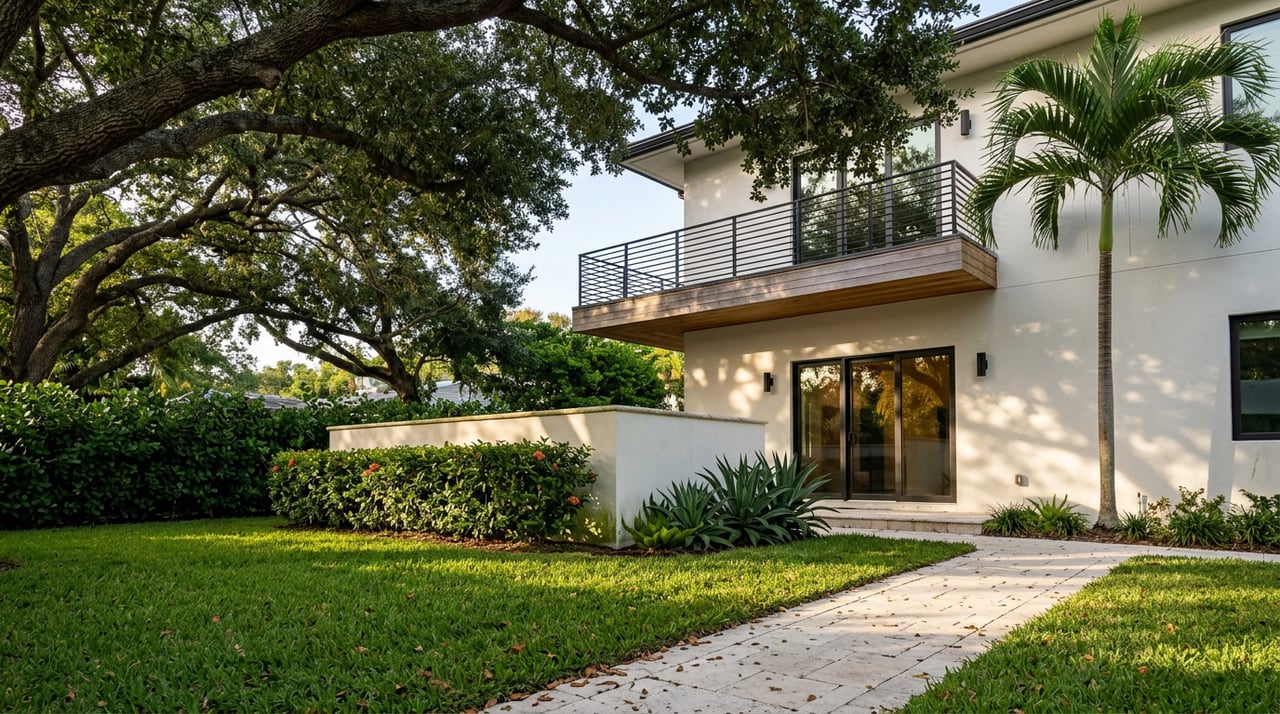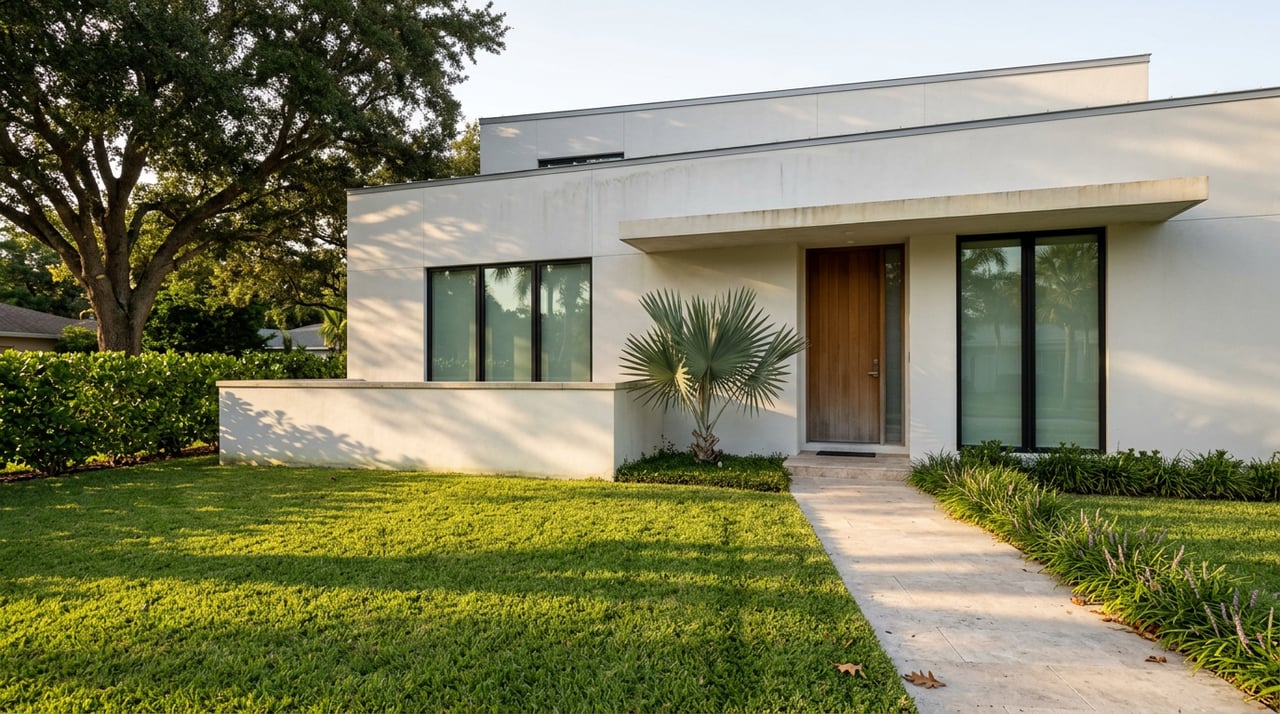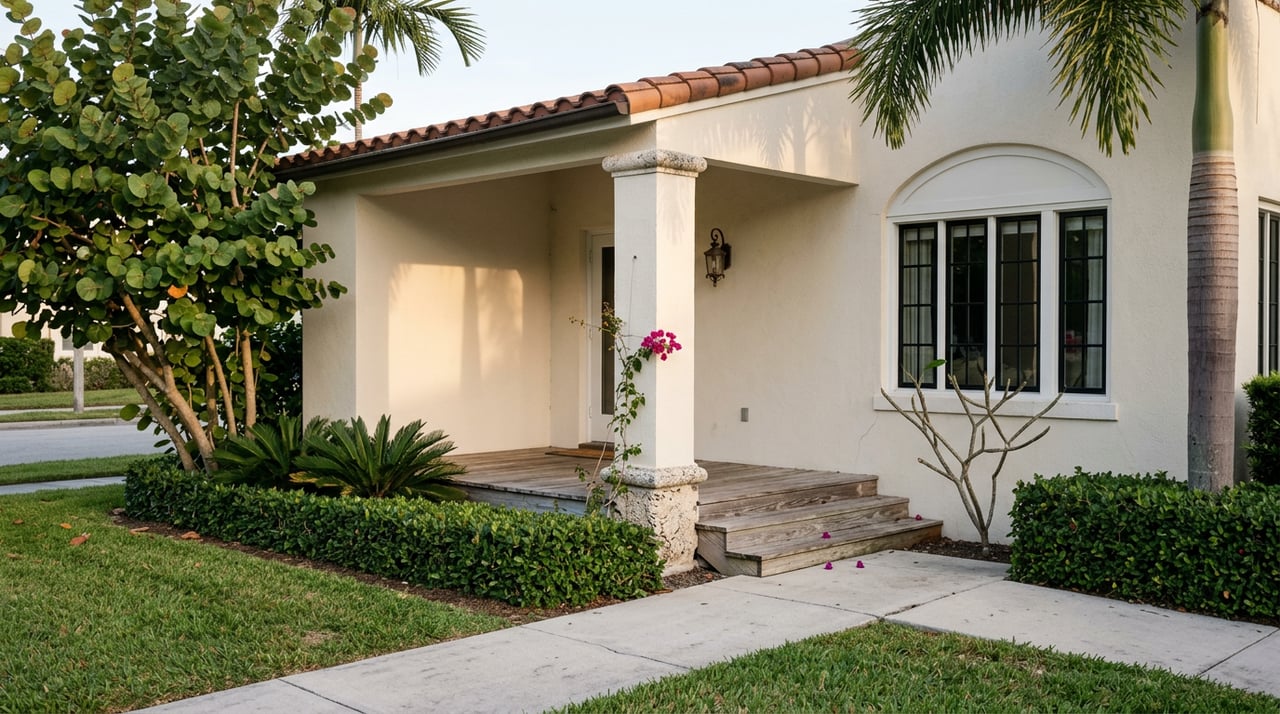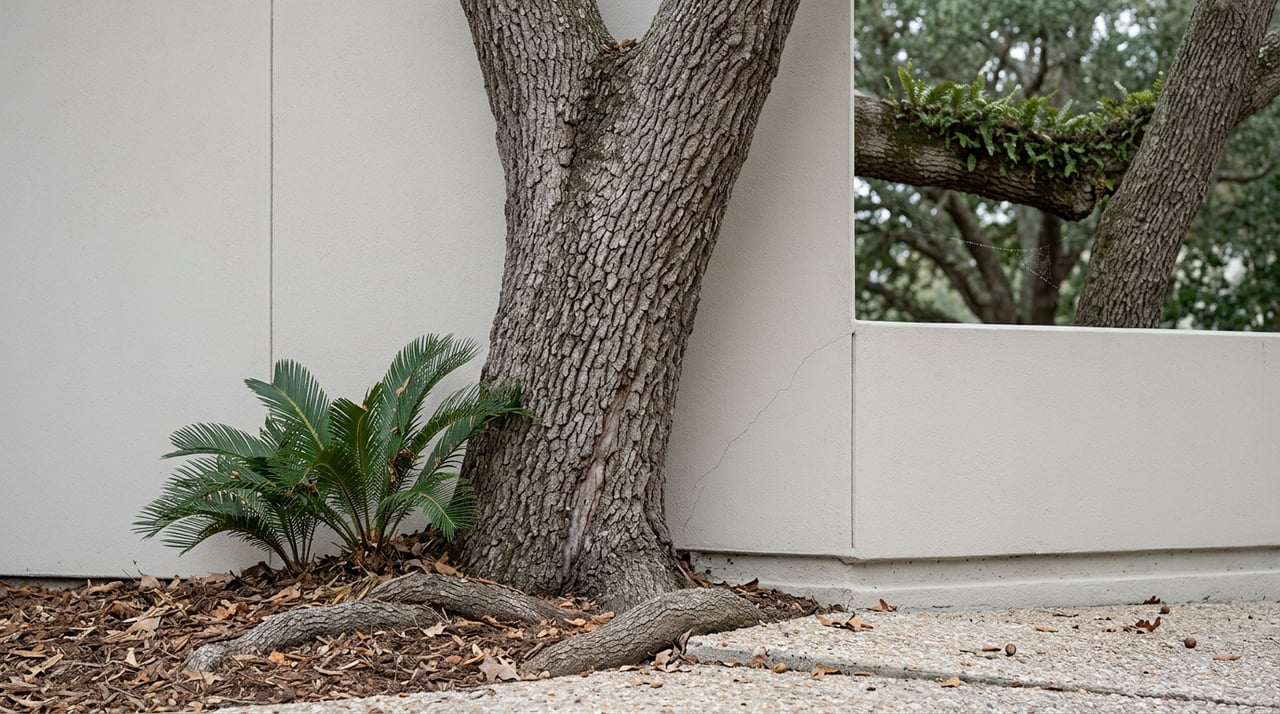
On Irvington Avenue in the South Grove, a 52-foot live oak stood over a lot slated for a new home. The property's developer had a permit path. An arborist had signed off on removal, citing the tree's condition. By any normal reading of the file, the tree was coming down on schedule.
It didn't happen that way. Chris Pruett, a certified arborist who grew up under that same canopy and later moved back to the street, didn't buy the diagnosis. Genevieve Block, another resident on the street, filed a formal appeal to save the tree. Whatever the outcome, the sequence is the lesson: a permit in hand did not mean the tree came down on the schedule the project assumed. That gap between "permitted" and "removed" is the detail every Grove buyer planning to renovate, add on, or build new this year needs to understand before writing an offer.
"For the most part, people valued the trees and designed their homes around them," Pruett said, remembering the Coconut Grove he knew forty years ago.
The Mechanism Nobody Puts in the Contract
Once the City of Miami posts what it calls an "intended decision" on a tree removal permit, a clock starts. Neighbors and abutting property owners get ten days to file a formal appeal with the city's Historic and Environmental Preservation Board. Miss the window and the removal proceeds. File within it and a project can stall for weeks waiting on a hearing date.
Standing matters, and it isn't automatic. When Miami resident Nicole Gazo tried to appeal a permit allowing removal of 57 trees, the city dismissed her case because she was neither a resident of the affected area nor an abutting owner. The rule keeps unrelated parties from tying up unrelated projects, but it also means the risk to your timeline depends on who actually lives next door and how organized they are, not on the permit file alone.
That organizing has picked up all year. In May 2026, an action alert from the Sierra Club Miami group generated more than 1,200 emails to city officials, and by that Friday the city's own website listed 35 Miami properties with intended decisions open to appeal. Five sat in the Grove, including a permit at 3301 McDonald Street covering removal of 13 trees, two of them specimen-class: a Norfolk Island pine and a strangler fig.
Part of what's fueling the friction is how permits get issued in the first place. Internal building department changes made in recent years shifted the review process away from routine site visits by city officers and toward decisions based on documentation submitted by arborists and property owners. A permit can be clean on paper and still draw a challenge the moment neighbors see stakes go up in the yard.
Why "Specimen" Is the Word That Changes Your Timeline
Not every tree carries the same weight in review. Miami measures trunk diameter at four and a half feet off the ground, a figure arborists call DBH. Below 18 inches, a removal request typically moves through as a routine permit. At 18 inches and above, the file goes into a full environmental review that can run past 30 days.
A shorter list narrows the field further. Live oak, gumbo limbo, and mahogany sit on Miami-Dade's protected native tree schedule. Removing one of these species generally requires documented hazard, a disease finding from a certified arborist, or a formal variance hearing. On a canopied Grove lot, the specimen tree isn't something to sort out after the architect finishes drawings. It's a decision that belongs at the site plan stage, because a protected live oak inside your footprint can determine whether the project gets appealed at all.
- Under 18 inches DBH: routine permit review
- 18 inches DBH and above: full environmental review, often 30 days or more
- Live oak, gumbo limbo, mahogany: protected natives, removal generally requires hazard documentation or a variance
The City Is Actively Rewriting These Rules Right Now
The rules governing all of this are not settled. On May 14, 2026, the Miami City Commission created the Miami Tree Ordinance Advisory Committee, seating two residents from each commission district to advise on a potential rewrite. Ian Wogan, a Coconut Grove arborist, and Chris Baraloto of FIU's International Center for Tropical Botany at the Kampong represent District 2, the Grove's district on the commission.
The committee's review formally launched in July and is expected to run about eight months, with recommendations due to the commission by March 2027. Public workshops are part of that process, one for each commission district. The District 2 session covering the Grove was held August 20, 2026, at The Hangar at Regatta Grove, a few days before this was published. If you're closing on a Grove property with mature canopy this year, you're buying into the middle of an active policy debate, not a fixed rulebook.
The pressure behind that debate is real. Citywide tree canopy coverage sits at an estimated 17 to 20 percent as of 2026, according to city and county figures, well short of the 30 percent goal both Miami and Miami-Dade County have set for 2030. That gap is part of why appeals are getting more organized, not less, and why a buyer underwriting a project this year should expect more scrutiny on canopy lots, not less, as the review continues.
What It Costs If a Tree Has to Come Down
Even a clean, unappealed removal isn't free. Miami-Dade requires inch-for-inch diameter replacement, and once a project calls for ten or more replacement trees, county planting guidelines require at least half of them to be native species, with palms capped at 30 percent of the total. Where a lot doesn't have room to replant everything the code demands, the balance gets paid into the county's Tree Trust Fund as an in-lieu contribution.
For a buyer pricing a Grove teardown or a major addition, the planting line in a pre-construction estimate needs to account for two different plans: one that works around the specimen trees, and one that removes them and pays for full mitigation plus whatever schedule risk an appeal adds. Working out both before you close, not after, is what protects your timeline and your budget.
What Buyers and Sellers Should Actually Do
If you're evaluating a canopied lot in the Grove with plans to build or renovate, a few habits change the outcome:
- Commission an ISA-certified arborist survey with DBH measurements before you finalize a design, ideally before you make an offer contingent on a specific renovation plan.
- Check the city's intended-decision listings and ask the seller directly whether any tree removal permits are filed or pending on the property.
- Treat the ten-day appeal window as a line item in your construction schedule rather than a buffer, especially if materials like impact glass or stone are already ordered.
- If a specimen tree sits inside your planned footprint, have a second site plan drawn that works around it. The comparison becomes real leverage on price and timeline before you're contractually committed.
If you're selling a canopied Grove property, the same logic runs in reverse. Any pending tree permit or appeal history on the lot is the kind of detail a buyer's due diligence will surface anyway. Disclosing it upfront, alongside a recent arborist assessment if you have one, tends to keep negotiations moving instead of stalling them at the eleventh hour.
A Few Questions Grove Buyers Are Asking
Does this apply if I'm buying a condo instead of a house? No. The tree ordinance and its appeal process apply to trees on private lots and adjacent rights-of-way tied to single-family and multi-family sites with real canopy. It's a factor for single-family purchases, teardowns, and major additions in the Grove, not for condo units.
Can I remove a small tree without dealing with any of this? Trees under 18 inches DBH typically move through as routine permits, but a permit is still required. Nothing on a Miami lot comes down without paperwork, even if the review is faster.
Will the ordinance rewrite change these rules before I close? Not likely on a short timeline. The advisory committee isn't expected to deliver recommendations to the commission until March 2027, and any resulting code changes would still need a commission vote after that. If you're buying or building in the Grove now, plan around the current rules rather than ones that might arrive next year.
If you're evaluating a Coconut Grove property with mature canopy and thinking about a renovation, an addition, or new construction, the arborist survey belongs in your due diligence period, not on your contractor's list after closing. Randi Connell works with buyers and sellers across the Grove's canopied streets and can help you understand what's actually on a lot, and what it might take to build around it, before you're under contract. Schedule a consultation to talk through your specific property and timeline.