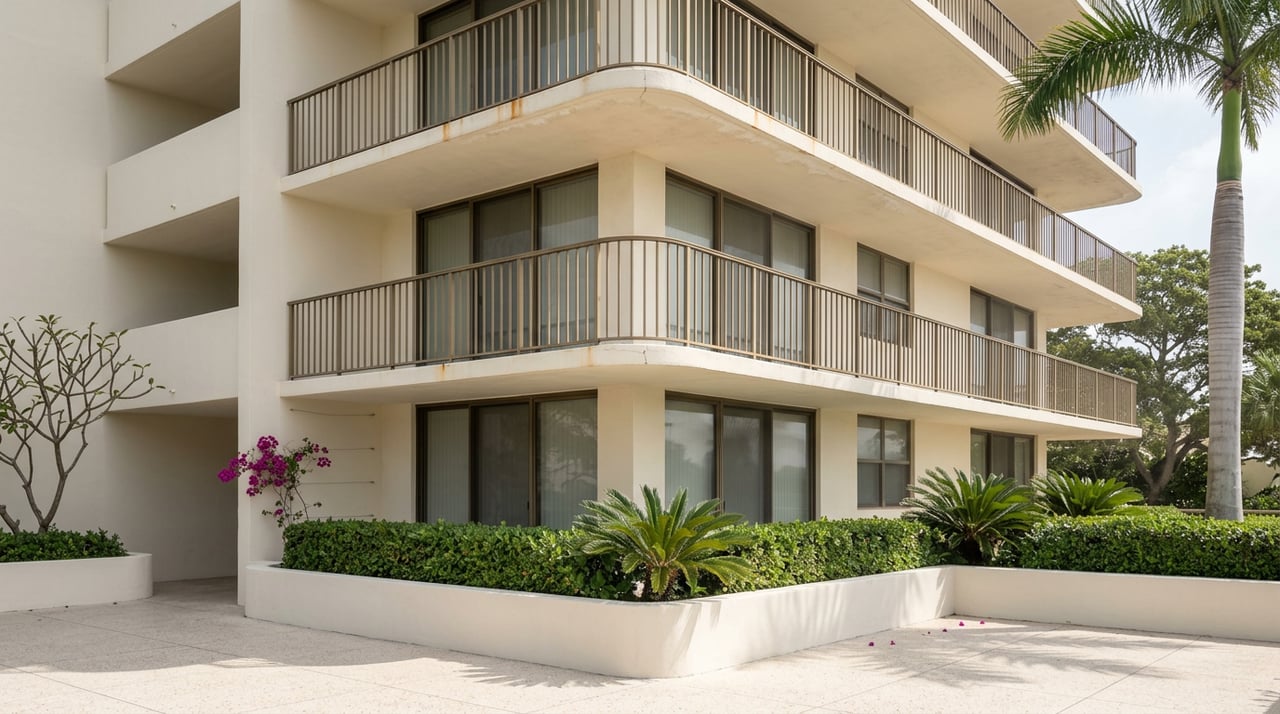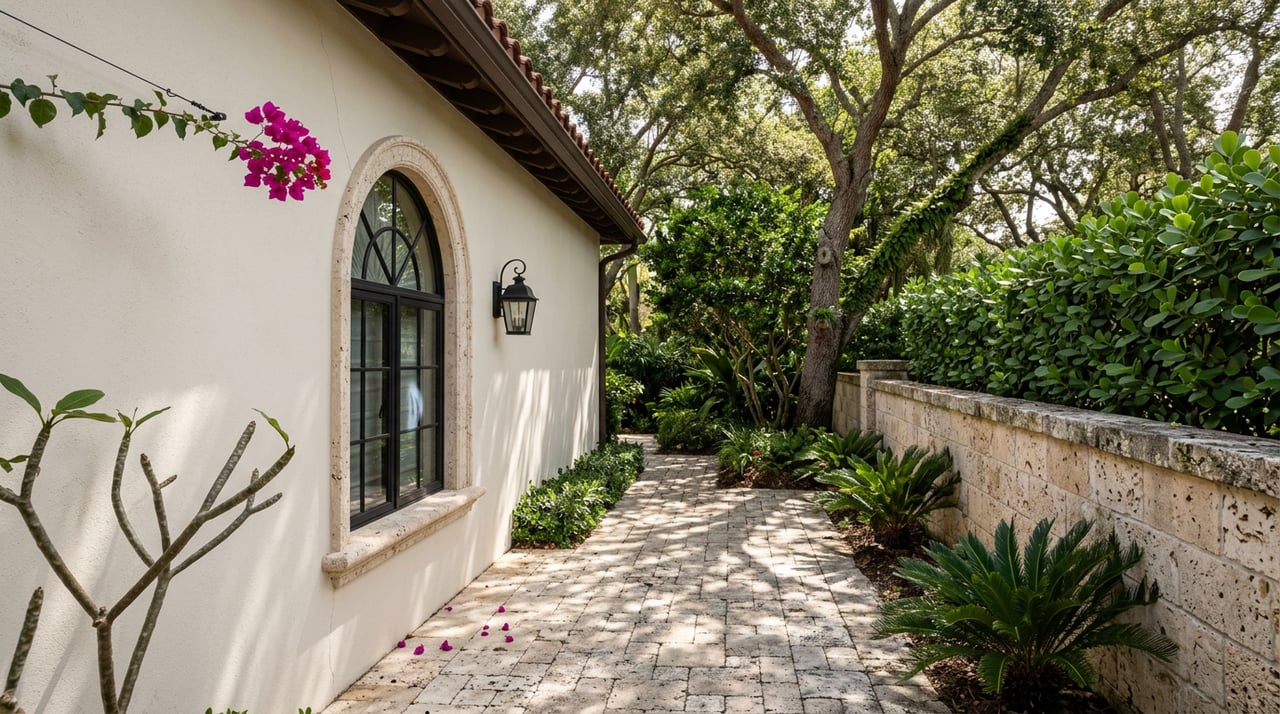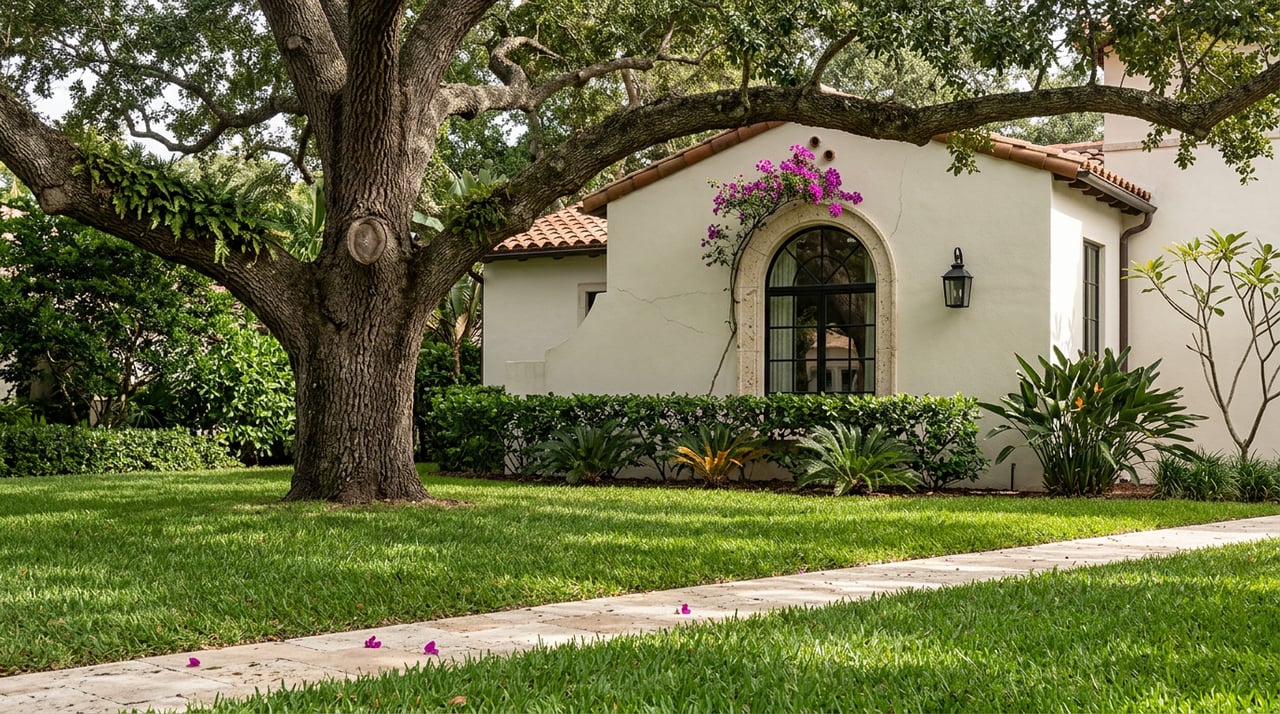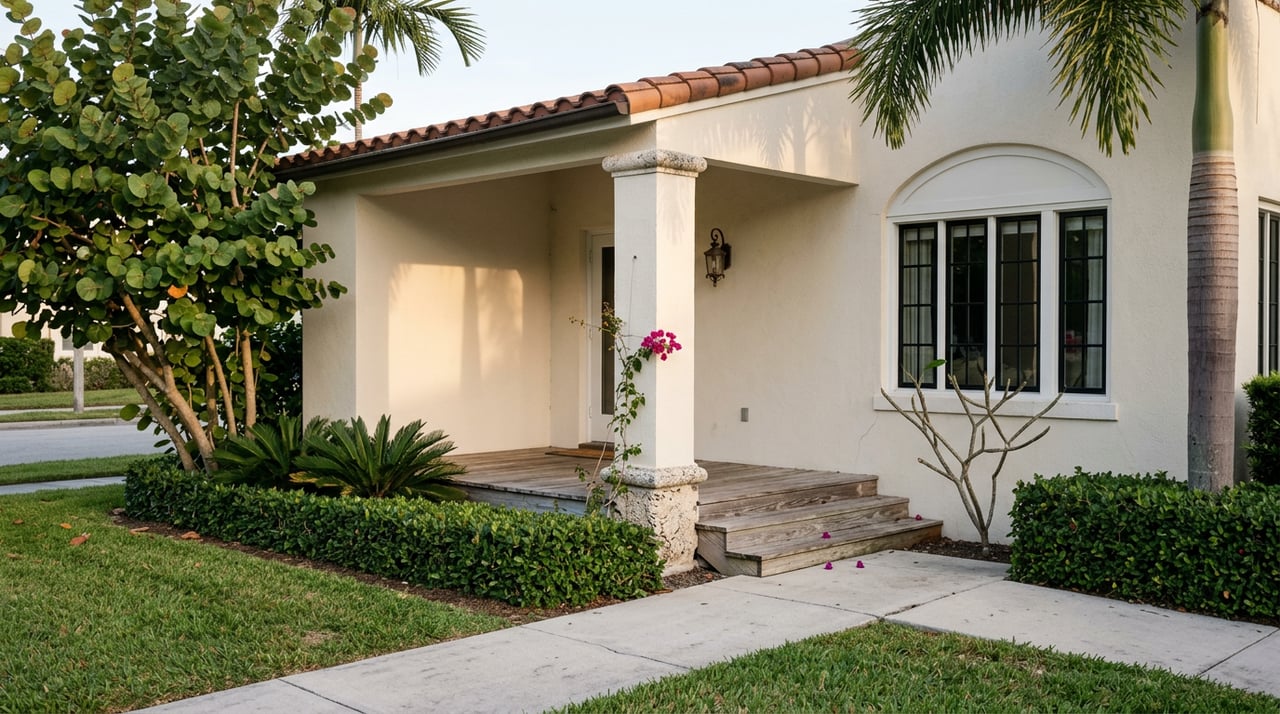
Open the University of Miami's official off-campus housing search tool and filter by neighborhood, and South Miami is listed as one of the university's named housing zones, with single-family houses offered for student rent right alongside apartments, condos, and duplexes. Houses, the same product type a family would tour on a Saturday afternoon looking for a starter home near good sidewalks and a short commute. That listing category is the plainest evidence of a pressure most South Miami house hunters never see coming: University of Miami students competing directly with owner-occupants for the same detached housing stock.
The city noticed the same pressure years before any buyer typed the number into a search bar, and it wrote a fix into the zoning code. That fix, not the median price you'll find on a national portal, is the fact that should shape how you read this market right now.
The Memo Behind the Median
In July 2025, the South Miami City Commission opened a discussion that doesn't show up in most real estate research: how to regulate student housing inside the Transit Supportive Development District, the zoning overlay built around the South Miami Metrorail station. The resulting text amendment, filed under case number PB-2025-008, reached the Planning and Zoning Department in an October 14, 2025 memo that states its purpose with unusual directness. The amendment permits and regulates off-campus student apartments within the transit district specifically as, in the department's own words, a proactive, supply-side approach to relieve demand pressure for the rental of single-family homes in the city's neighborhoods for student housing.
Read that sentence again, because it is the whole argument. The city is not adding student housing near the Metrorail station because it wants more density downtown for its own sake. It is adding student housing there because students are already renting houses in South Miami's residential blocks, and the commission decided the way to stop that drift was to build somewhere better suited to it, not to legislate against renters.
The amendment also builds in a safeguard worth knowing if you ever consider investing in one of these new buildings: student housing units are defined and regulated separately from ordinary multifamily housing, and a property cannot quietly convert from one to the other without re-permitting under the standards for whichever use it becomes. That is the city closing a loophole before it opens, which tells you the planning department is thinking several years past the ribbon cutting.
What Is Actually Rising Around That Fix
The scale of what is under construction around downtown South Miami right now makes the zoning language easier to picture. Demolition of the aging Shops at Sunset Place began in the first quarter of 2026, clearing roughly ten acres near South Dixie Highway, Red Road, and the Metrorail station for a Heatherwick Studio-designed mixed-use district. The approved plan, developed with Midtown Development and ODP Architecture and Design, calls for seven towers between 12 and 33 stories holding 1,513 residences, a 287-room hotel, a 1,300-seat theater, and close to 150,000 square feet of shops and restaurants. The first phase, including new streets and a condo-hotel, is targeted for 2029.
Next door, the city is rebuilding its own municipal campus on nearly the same timeline. The Link at SoMi will replace City Hall, the police department, and the library with a five-story civic building and two 15-story residential towers holding 670 units aimed at workforce housing, not the market-rate product going up at Sunset Place.
Private capital is moving on the same clock. In July 2026, AvalonBay Communities closed an off-market deal for a full downtown block from Robins Plaza, paying 22 million dollars for 1.18 acres to build a 251-apartment tower. Two months earlier, in May 2026, Alta Development, led by Henry Pino, paid 29 million dollars for a one-acre site at 5959 SW 71st Street near the university campus, earmarked for student housing under the same transit district framework the city amended the year before.
Add it up and downtown South Miami is on track to absorb more than two thousand new apartment units within a few years, spread across market-rate, workforce, and student segments. None of that supply is a single-family house. That distinction matters more than it sounds, because it means the construction boom you'll hear about from every direction over the next several years is not actually competing with the house you're considering buying. It is competing with the apartment lease across town.
Why the Median Price Is the Wrong Number to Anchor On
If you've already looked at South Miami's headline housing numbers, you've probably seen a market that looks like it's cooling fast. Over the three months ending in April 2026, the median single-family sale price sat at 921,000 dollars, down 21.3 percent year over year, with the median price per square foot down 39.3 percent over the same stretch. Days on market roughly doubled, from 52 to 103.
Those numbers are real, and they are also almost meaningless on their own, because only 32 homes sold in South Miami in April 2026, up from 25 the year before. A market that small can swing 20 percent on the mix of what happened to close that month, not on what buyers are actually willing to pay for a comparable house. A single large estate closing in one April and a cluster of smaller renovated bungalows closing the next produces exactly this kind of headline whiplash, with no change in the underlying market at all.
Set South Miami's number next to its immediate neighbors and the contrast sharpens. Over the trailing twelve months ending in March 2026, Coral Gables closed single-family sales at a median of 2 million dollars, up 4.6 percent year over year. Pinecrest closed the same period at a median of 2,535,000 dollars, down 6 percent after a run of strong gains. Those are far larger sample sizes pulled from far larger, more expensive inventories, which is exactly why their year over year swings read as trend rather than noise.
South Miami sits in a different tier entirely, both in price and in the sheer number of transactions available to measure it by. A house hunter comparing these three cities on median price alone is comparing a statistically thin market to two much deeper ones, and drawing conclusions the data can't support. What actually differentiates South Miami is not that houses got cheaper. It's that the pool of houses changing hands each month is small enough that a handful of sales can move the average by double digits, while the zoning-protected single-family core stays exactly as scarce as it was before anyone started demolishing a mall three blocks away.
The neighborhood's daily life backs up that stability. Bored Cuban opened its third location at 5812 Sunset Drive in March 2026, and Flight West, a live-fire restaurant helmed by a chef with a background at KYU and Komodo, opened at 5894 Sunset Drive that July. Deli Lane and Sunset Tavern, staples since 1988, are relocating a block west under the same building owner rather than closing. That is not the texture of a neighborhood in decline. It's a downtown rearranging its commercial center while the residential streets around it stay put.
What This Actually Means If You're Looking at a House Here
For a buyer weighing South Miami against Coral Gables or Pinecrest on price alone, the honest read is that South Miami's single-family core is protected by policy in a way its neighbors don't need, because South Miami sits directly on top of a major university's off-campus housing demand and its neighbors largely don't. That protection is why single-family houses rented to students haven't grown into a larger share of the neighborhood's housing stock, and why the city is spending political capital on a zoning amendment rather than letting the market sort it out on its own.
For an investor evaluating a single-family purchase specifically for its rental potential, the same zoning language is worth reading closely before assuming a house near the Metrorail station is destined to become a student rental. The city's stated intent is to move that demand into the new transit-district buildings, not to leave it distributed across residential blocks. A house purchased for owner-occupancy in South Miami's core is buying into a market the commission is actively trying to keep single-family, which is a different bet than buying a house in a neighborhood with no such policy in place.
The next three years will feel disruptive on Sunset Drive, with towers rising where a mall stood for a quarter century. That disruption is happening in the commercial corridor the city rezoned for exactly this kind of density. The residential blocks a few streets over are the ones the zoning amendment was written to leave alone.
A Few Questions Worth Asking
Does the Sunset Place construction affect single-family home values directly? The redevelopment sits on the roughly ten-acre commercial site, not on residential parcels. The larger effect worth tracking is what downtown looks like once the first phase delivers around 2029, not a direct competition for single-family buyers today.
Is it fair to compare South Miami's median price directly to Coral Gables or Pinecrest? Only with caution. South Miami's monthly sales volume is a fraction of either neighbor's, which makes its year over year price swings far more sensitive to which specific homes happened to close in a given month.
Could the new student housing near the Metrorail station eventually convert to market-rate apartments? The zoning amendment specifically requires re-permitting before any conversion from student housing to standard multifamily use, which was written into the code to prevent exactly that kind of quiet shift.
If you're weighing a single-family purchase in South Miami against its neighboring luxury suburbs, the zoning fine print matters as much as the comparable sales. Randi Connell works this market street by street, from Sunset Drive's construction fence to the residential blocks the city is working to keep exactly as they are. Schedule a consultation to talk through what a specific address is actually worth underwriting for.