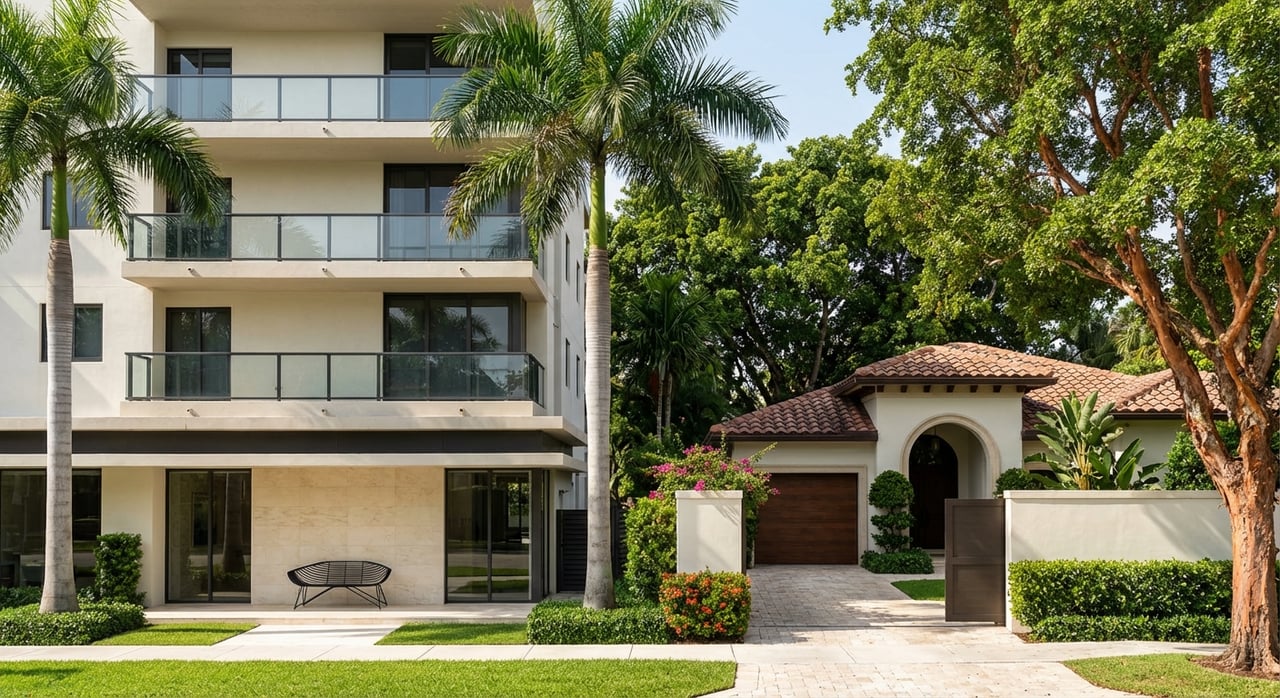
Are you torn between the simplicity of condo living and the privacy of a single-family home in Coconut Grove? It is a real question here because the Grove offers both walkable, full-service buildings near the village and leafy, private enclaves under mature oaks. You want clarity on costs, insurance, rental options, and resale before you choose. This guide breaks down the key tradeoffs, with Coconut Grove specifics, so you can match the right property to the way you plan to live. Let’s dive in.
Market snapshot in Coconut Grove
Coconut Grove is one of Miami’s most desirable neighborhoods and pricing reflects that. Recent sources show neighborhood medians ranging from roughly 1.22 million to around 1.75 million depending on methodology and timing. Local reporting has also noted strong year-over-year price surges in certain periods, a reminder that very limited inventory can move the numbers quickly. Expect a wide range that spans entry-level condos to ultra-luxury waterfront estates.
For context, condos in the Grove can start at lower price points in older mid-rises, then climb to multi-million-dollar residences in full-service buildings or brand-new towers. Single-family homes typically begin in the low-to-mid seven figures and escalate sharply for waterfront, gated enclaves, or larger lots. Inventory can be tight overall, and specific segments will move differently over any given quarter.
Lifestyle by subarea
Neighborhood character varies block by block in the Grove, which is why location should guide your choice as much as property type.
- Center Grove: If you want to walk to CocoWalk, parks, dining, and the bayfront, condos and townhomes near the village core may fit best. You will find concierge services and amenities in many buildings, plus easier access to Metrorail and local trolleys for commuting.
- North and South Grove: These leafy, residential pockets tend to feature single-family homes with larger lots, more privacy, and a quiet, canopy-rich feel. You trade some walkability for space and control over your outdoor living.
- Bay Heights, Cocoplum, and Grove Isle: These areas offer specific lifestyle draws such as gated streets, marina adjacency, or island living. Waterfront or near-water communities often prioritize boating access, whether via private docks in single-family settings or marina amenities in certain condo buildings.
Buyers focused on private schools often look closely at the Grove because respected options, including Ransom Everglades, are in or near the neighborhood. Keep your language around schools neutral and confirm commute patterns and admissions timelines that fit your family.
Ownership costs and predictability
Every buyer weighs the comfort of a single monthly association fee against the control and privacy of a house. Here is how that plays out in the Grove.
- Condos: Monthly HOA dues typically bundle exterior maintenance, common areas, amenities, security, master insurance, and sometimes utilities. In full-service or bayfront towers these fees can be substantial, and they vary widely by building. Review the budget, the latest reserve or structural study, and any special assessments to understand near-term cost predictability.
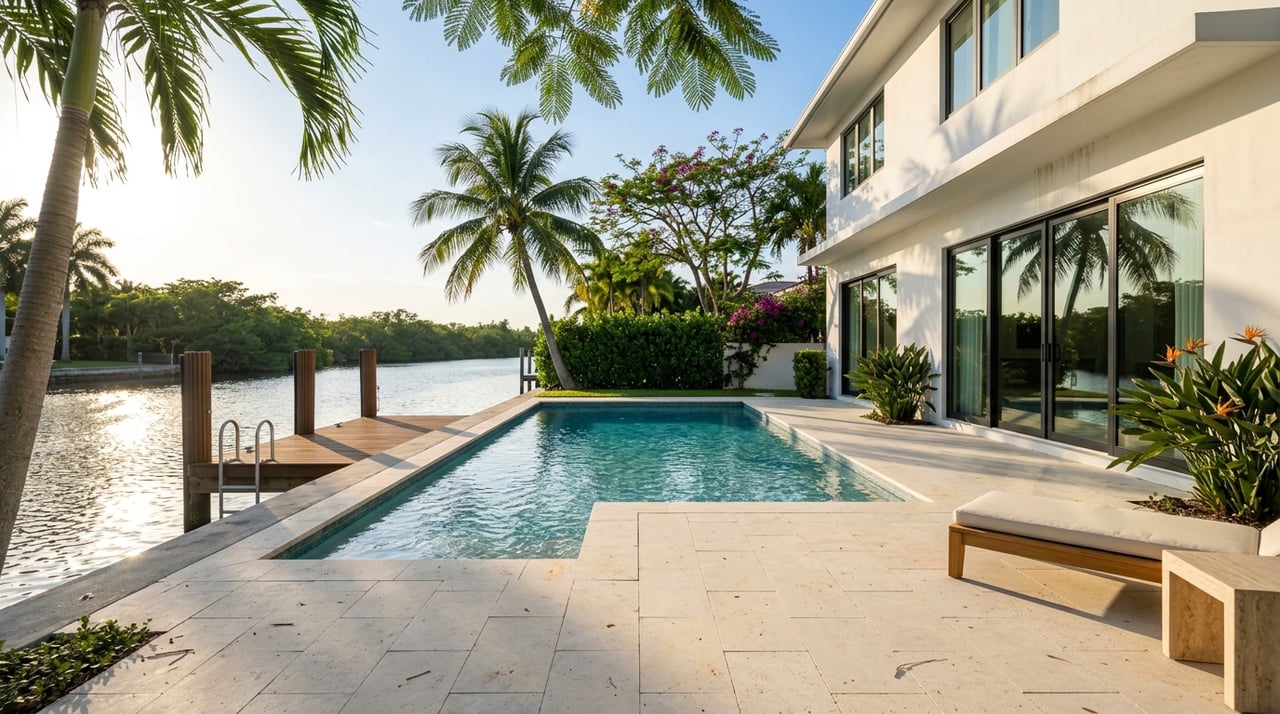
- Single-family homes: You may have little or no HOA fee unless the home sits in a gated community. You will, however, budget for landscaping, pool care, roof, HVAC, and storm-readiness work. Waterfront ownership can add episodic costs for seawall and dock maintenance, plus permitting for repairs or upgrades.
Insurance and flood in a coastal market
Proximity to Biscayne Bay is a major Grove advantage, but it heightens your due diligence around flood and insurance. Many low-lying areas in coastal Miami experience king tides or storm surge during major events, so map each target property’s location.
- Start with official flood information using the Miami-Dade County flood maps.
- Florida’s property insurance market has seen new filings and signs of stabilization, but premiums and underwriting remain central to affordability. The Florida Office of Insurance Regulation update is a helpful touchpoint.
- For condos, understand the building’s master policy and deductibles, plus any loss-assessment exposure. For houses, obtain early quotes for wind and flood, and expect higher premiums for waterfront parcels. Begin this process as soon as you identify a serious candidate.
Local reporting has also highlighted seasonal king tide impacts and ongoing resilience work in the Grove. Stay mindful of how drainage improvements, shoreline projects, and future sea-level considerations may affect daily life and long-term value. You can get a sense of timing and community focus from coverage like this overview of peak tide season.
Condo safety rules and financing factors
If you lean condo, you will navigate a few building-specific topics that do not apply to single-family homes.
- Milestone inspections and reserves: Post-Surfside rules require structural inspections and reserve studies for many multi-story buildings. Ask if milestone inspections and Structural Integrity Reserve Studies are complete, and whether major remediation is planned. You can read a high-level guide to these changes here, and review Miami-Dade’s legislative materials here.
- Financing: Lenders evaluate the condo project as well as the borrower. If a building has weak reserves, outstanding litigation, or major work ahead, financing can be more limited. That can narrow your future buyer pool and influence resale pricing even if your individual unit is pristine.
Single-family financing usually avoids project-level hurdles, though the property’s condition and flood zone still factor into underwriting.
Rental rules and use restrictions
Both City rules and building governing documents set the limits for rentals in the Grove. If your plan includes seasonal or short-term rentals, confirm the local framework early. The City outlines procedures for lodging conversions and short-term activity on its official page for short-term rental and lodging procedures. Then layer building rules on top, since many associations set minimum lease terms or blackout periods.
For single-family homes, verify neighborhood restrictions, required licenses or certificates, and any HOA rules if the home is in a gated community.
Privacy, space, and daily experience
It helps to picture your day-to-day life in each setting.
- Condos: Low maintenance, security, concierge, amenities, and village-core convenience. Less private outdoor space and shared walls. Potential noise from neighbors and building systems depending on placement and construction.
- Single-family homes: Greater privacy, your own yard and pool, and control over exterior improvements subject to permitting. More maintenance and possibly a longer walk or drive to the village, unless you buy in Center Grove.
Resale and who buys what
At the high end of Coconut Grove, single-family homes and waterfront estates attract both local and out-of-area high-net-worth buyers. Limited supply in prime locations can push premiums and, for exceptional properties, headline sales. National coverage of ultra-luxury purchases in the Grove gives a sense of that buyer pool’s presence and expectations, as seen in reporting from The Wall Street Journal.
Condos often appeal to empty-nesters, professionals, international buyers, and investors. Resale velocity depends on building condition, financial health, governance, and rental policy. Buildings with heavy new-construction resale inventory can see more price swings than established, well-run communities.
Quick-fit scenarios
- Choose a condo if you want low-maintenance living near dining, parks, and the marina, and you value services like security, valet, and concierge. You are comfortable evaluating budgets, reserves, and assessments to secure cost predictability.
- Choose a single-family home if you want private outdoor living, room for pets and hobbies, and direct control over improvements. You are comfortable budgeting for maintenance and, if on the water, you are ready for dock and seawall stewardship.
Questions to ask on showings
For condo tours
- When was the last reserve or structural study completed and what were the findings?
- Are there pending or planned special assessments in the next 12 to 24 months?
- What does the master insurance cover, and what are the wind and flood deductibles?
- What are the rental rules, lease minimums, and pet policies?
- Has the building completed required milestone inspections or recertification, and are major projects scheduled?
For single-family or waterfront tours
- What is the FEMA flood zone and is there a recent elevation certificate on file?
- How old are the roof, HVAC, and major systems? What does the permit history show?
- If waterfront, what is the age and condition of the seawall and dock, and are there permits or surveys available?
- Is the property on sewer or septic, and has any drainage work been done on-site or nearby?
- Can you provide recent wind and flood insurance quotes, or connect me with a broker for estimates?
Financing and timeline tips
- Condos: Ask your lender on day one which condo project approval track applies, since it affects documentation, appraisal, and loan options. Get the association to provide budgets, reserves, and questionnaires early so you avoid last-minute delays.
- Single-family: Start insurance quotes as soon as you identify a property you like and verify flood zone details with the Miami-Dade County flood maps. Waterfront policies can vary widely, so multiple broker quotes help.
How we help you decide
Choosing between a condo and a single-family home in Coconut Grove is not just about price. It is about finding a home that fits your routines, your risk comfort, and your long-term goals. You get better results when your advisor knows the micro-markets and can quantify the tradeoffs on a specific block or in a specific building.
With 15-plus years in South Florida and a presentation-first approach, our team pairs boutique, white-glove guidance with the resources of a top Compass group. We help you compare properties apples-to-apples, secure the right inspections and documentation, and line up trusted lenders and insurance brokers. When you are ready to explore, we will match you to on-market and private options in the Grove and nearby enclaves.
Thinking about your next move in Coconut Grove? Connect with Randi Connell to map your best path, whether that is a turnkey condo near the village or a private single-family retreat under the oaks.
FAQs
What makes Coconut Grove condo fees higher in some buildings?
- Full-service or bayfront towers often include concierge, valet, security, amenities, and robust master insurance, which can raise monthly dues. Always review budgets, reserves, and planned projects.
How does flood risk affect Coconut Grove homebuyers?
- Flood zones can influence insurance availability, premium costs, and loan terms. Check the Miami-Dade flood maps early and get preliminary flood and wind quotes before you finalize an offer.
What are milestone inspections and why do they matter for condos?
- Post-Surfside safety rules require structural inspections and reserve planning for many multi-story buildings. Completed reports reduce uncertainty for buyers and lenders and can affect special assessments.
Are short-term rentals allowed in Coconut Grove homes or condos?
- It depends on City of Miami rules and the building or HOA documents. Review the City’s short-term rental procedures and then confirm association or neighborhood restrictions.
Who typically buys single-family homes in the Grove vs. condos?
- Houses, especially waterfront, often attract families and high-net-worth buyers seeking privacy and dock access. Condos appeal to empty-nesters, professionals, and investors who value amenities, security, and low maintenance.